Industry
Diaphragm pumps move fluid by flexing a diaphragm back and forth. This action draws liquid into a chamber and then pushes it out through a discharge valve. The key difference lies in how the diaphragm moves — either powered by compressed air or driven by an electric motor.

AODD pumps rely on compressed air to power the diaphragms. Here’s how the operation works:
Electric diaphragm pumps operate in the same was as their air operated counterparts, but they utilise electricity to do so. They use a motor to drive a piston, which in turn actuates the diaphragm. This design allows for accurate control, reduced energy use, and quieter performance.
Diaphragm pumps perform well across many sectors. Their ability to handle abrasive, corrosive, or viscous liquids makes them a go-to solution in tough environments. Both ATEX-certified and food-safe designs are available to meet safety and hygiene requirements.
| Pros | Cons |
|---|---|
| Versatility – Ability to manage a wide variety of liquids, including corrosive, abrasive, and shear-sensitive fluids. | Pulsating flow – Systems may require a pulsation dampener to smooth the output and protect downstream equipment. |
| Self-priming – The diaphragm motion creates suction naturally, so the pump does not require priming before use. | Lower flow rates – They typically deliver less volume per minute than centrifugal pumps. |
| Dry-run capable – These pumps can operate without fluid for short periods without immediate damage. | Air efficiency – AODD pumps can use compressed air inefficiently unless paired with a regulator. |
Knowing the main parts of a diaphragm pump helps ensure efficient operation and effective troubleshooting. Choosing the right materials also improves performance and longevity.
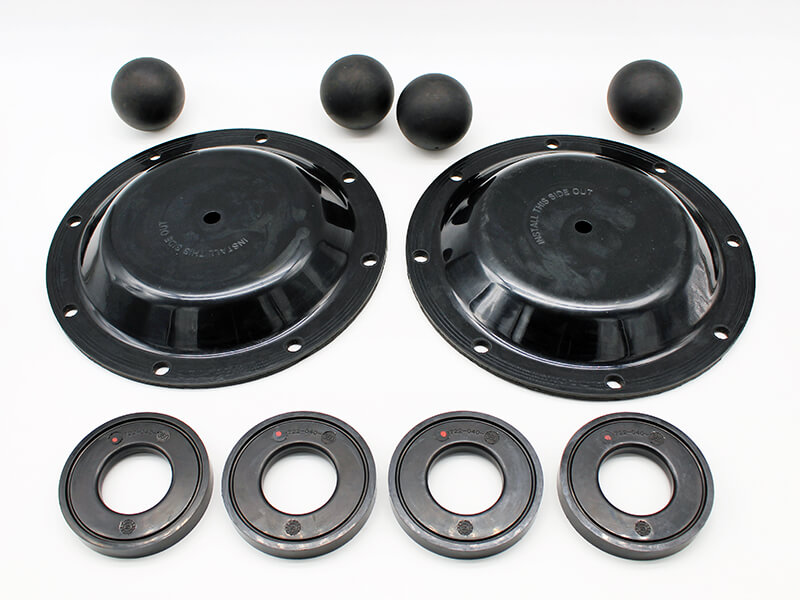

For best results, position the pump close to the fluid source. This setup reduces suction lift and minimises wear on the diaphragm.

A pulsation dampener evens out pressure surges and flow variations. It improves system stability and protects downstream equipment.
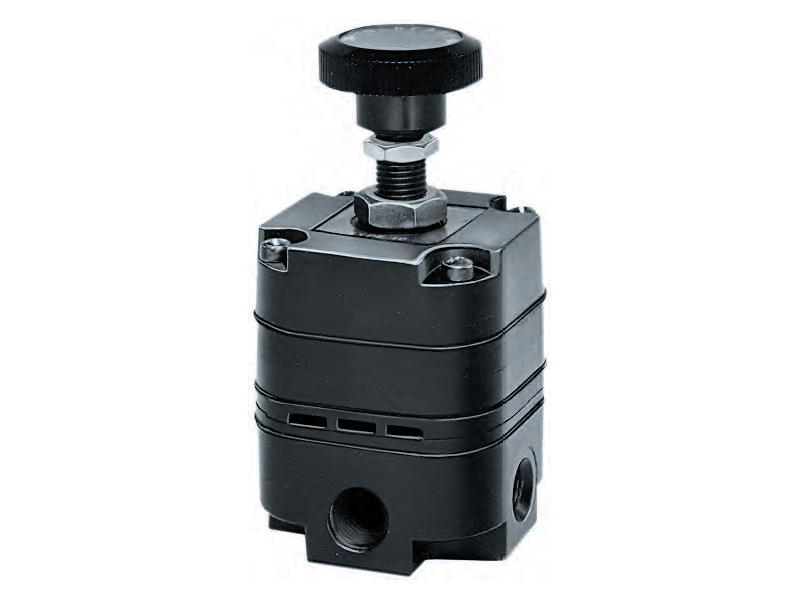
An air regulator maintains consistent air pressure for AODD pumps. This control enhances efficiency, performance, and lifespan.
Diaphragm pumps provide dependable, efficient solutions for complex fluid-handling tasks. Whether you need robust performance in industrial conditions or gentle treatment of delicate products, there’s a diaphragm pump configuration to match. Choosing between air-operated and electric models depends on your specific application, noise requirements, and energy priorities.
AODD vs EODD Blog
Atex Ratings Explained
A Guide For Choosing Your Pharmaceutical Pump
A Guide For Choosing Your Winery Pump
Fill in the form below and one of our friendly advisors will contact you.