Industry
Centrifugal pumps are one of the most widely used types of pumps in the world. They are found in countless industries, from water supply and wastewater treatment to chemical processing, food production, and firefighting. Their popularity comes from their simple design, ability to handle high flow rates, and reliability in continuous operation.
In this article, we’ll explain how centrifugal pumps work, explore their advantages and disadvantages, answer common questions, and look at where they are most commonly used.
A centrifugal pump operates by converting rotational energy from a motor into energy within a moving liquid. The process works step by step:
 |
 |
| Advantages | Disadvantages |
|---|---|
| Simple, compact design – with relatively few moving parts, making them cost-effective and easy to maintain. | Not self-priming – the pump casing must be filled with liquid before startup. |
| High flow capability – ideal for moving large volumes of liquid efficiently. | Limited with high-viscosity fluids – performance drops when pumping thicker liquids. |
| Wide range of applications – suitable for water, chemicals, fuels, and more. | Air and cavitation issues – highly sensitive to air ingress or vapor bubbles in the liquid. |
| Continuous, smooth operation – excellent for processes requiring steady, non-pulsing flow. | Narrow efficiency range – performance is best within a specific operating window. |
| Cost-effective – efficient and affordable for many industries. | Backflow risk – when stopped, fluid can flow backwards through a centrifugal pump unless a check valve or other backflow prevention is installed. |
Because of their versatility and efficiency, centrifugal pumps are used in an enormous variety of industries, including:
Understanding the main parts of a centrifugal pump is essential for efficient operation and effective troubleshooting. Choosing the right materials also improves performance and extends pump life.
Selecting the right pump for your application is just the first step—it’s also important to consider what else you’ll need for the job. Below are some items that may be essential, depending on your setup. If you’re unsure about your requirements, our team is always here to help.
Green suction hose is a medium-duty option for connecting components. More rigid and durable than blue layflat hose, it offers a longer lifespan but is bulkier and harder to store.

Mechanical seal kits prevent leaks around the pump shaft, protect internal components, and extend equipment life. Available in materials like carbon, ceramic, and stainless steel, they can handle different fluids, temperatures, and pressures. Regular inspection and replacement keep your pump performing at its best.

A trolley is ideal for pumps used across multiple applications, making it easy to move them around your workspace. 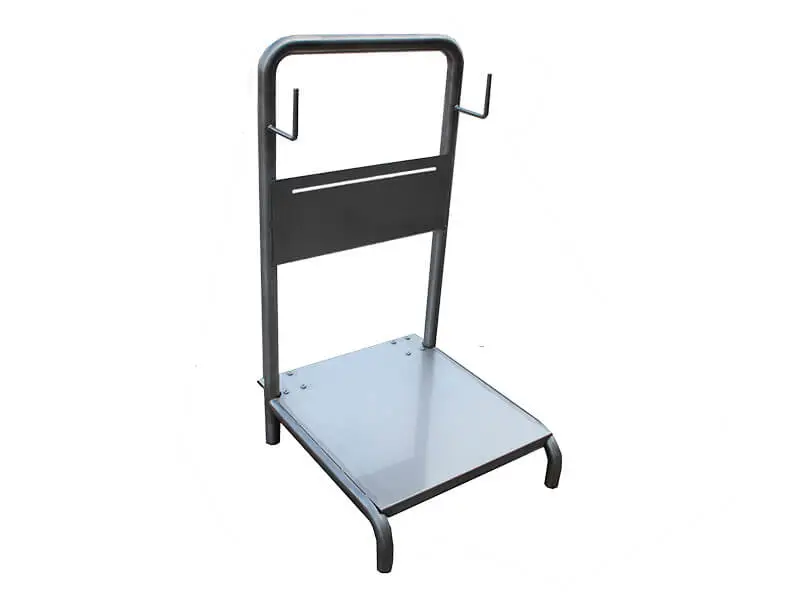
Centrifugal pumps are the workhorses of fluid handling. By using a simple impeller and casing design, they can deliver high flow rates reliably and cost-effectively. While they do have limitations, such as being unable to handle air and requiring priming, their advantages make them indispensable across industries worldwide.
At TF Pumps, we supply a wide range of centrifugal pumps for different applications. Whether you need a pump for water, chemicals, or industrial processes, our team can help you find the right solution.
Browse our centrifugal pump range here
Pump Impellers – An Overview Of The Different Types
Understanding Centrifugal Pump Theory
A Guide For Choosing Your Winery Pump
A Guide For Choosing Your Sludge Pump
Fill in the form below and one of our friendly advisors will contact you.