Industry
Pumps play a vital role in many industrial processes, but maintaining their proper function requires managing pressure fluctuations, known as pulsations. These pulsations can lead to inefficiencies, excessive wear, and even system failures if left unchecked. Pulsation dampeners are designed to absorb these fluctuations, ensuring smooth, consistent flow, protecting your equipment from damage.
Our blog below further explains what pulsations are, and we will explore the purpose of pulsation dampeners and how they work to improve pump performance.
Pulsations are pressure fluctuations caused by the operation of pumps, particularly diaphragm or piston pumps. These pumps move fluid in cycles: they draw liquid into the chamber during one part of the stroke, then push it out during the next. Each cycle creates a temporary rise and fall in pressure, which produces the pulsations. These fluctuations can cause vibration, noise, and stress on pipes and equipment. Over time, excessive pulsation can reduce pump efficiency and lead to costly wear and tear.
A pulsation dampener is a device installed on a pump discharge line to smooth out these pressure fluctuations. Typically, it consists of a chamber with a flexible diaphragm or bladder that separates the liquid from a gas-filled area. As the pump delivers fluid, the bladder compresses and expands, absorbing the pulsations and delivering a more constant flow.
Pulsation dampeners are available in two main types: active and passive, each suited to different pumping conditions.
Active dampeners use an external air supply to automatically adjust to changes in pressure and flow. This allows them to deliver a near-constant, smooth discharge, making them ideal for systems with variable operating conditions or intermittent pump cycles.
Passive dampeners are pre-charged units that rely on a fixed gas cushion to absorb pulsations. They are simpler, more cost-effective, and work best where the pump runs at a steady, consistent pressure. They do not self-adjust, so performance can vary if system conditions change.
| Feature / Consideration | Active Pulsation Dampener | Passive Pulsation Dampener |
|---|---|---|
| Operation | Uses compressed air, adapts dynamically | Pre-charged gas or bladder, static setup |
| Flow Regularity | Highly stable, near pulse-free | Moderate smoothing, less adaptive |
| Best Suited For | Variable pressure/flow, intermittent operation | Steady flow, stable operating conditions |
| Maintenance / Setup | Requires air supply and setup | Simple installation, occasional recharging |
| Cost / Complexity | Higher cost, more complex | Lower cost, simpler |
Choosing the right dampener depends on your pump and process requirements. If your system experiences variable pressure or intermittent operation, an active dampener offers superior pulsation reduction and protection for your equipment. If your pump runs at a steady flow and pressure and you prefer a lower-cost, low-maintenance option, a passive dampener is typically sufficient.
With many pulsation dampeners available on the market, it can be challenging to know where to start. To simplify your search, we have posted our recommendations below. If you have specific requirements or would like personalised advice, please feel free to contact us to discuss your application. We’re here to help you find the perfect solution!
Founded in 1926, Graco has become a leader in fluid handling technology, known for its innovative solutions and commitment to quality. Among its diverse product range, Graco’s pulsation dampeners effectively minimise pressure fluctuations in fluid systems, ensuring smooth and consistent flow. These dampeners enhance system performance and extend the lifespan of pumps and piping, showcasing Graco’s dedication to meeting the unique needs of its customers. They are available in a variety of different materials to ensure compatibility with your current system.
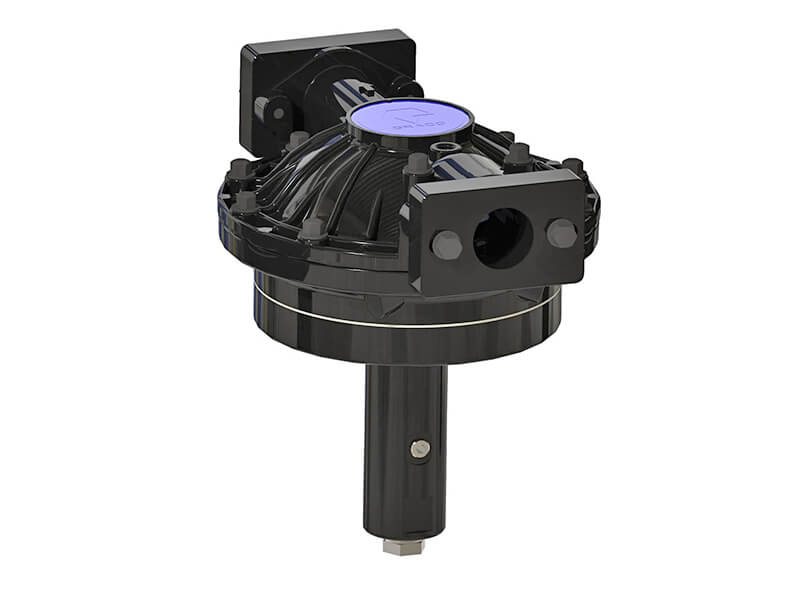
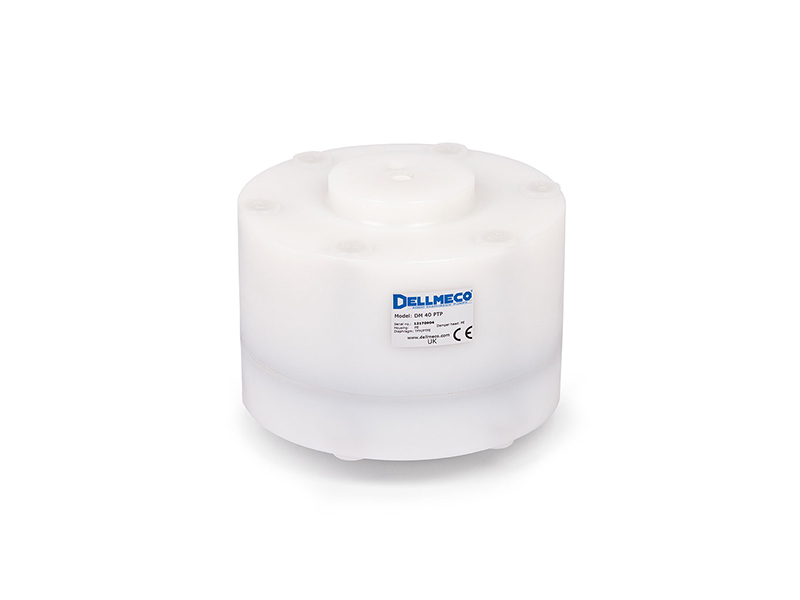
Dellmeco, established in 1972, has built a reputation for excellence in fluid handling solutions and pump technology. Known for its innovative designs, Dellmeco offers a range of pulsation dampeners that effectively manage pressure fluctuations in fluid systems, ensuring stable and reliable operation. These dampeners not only enhance system performance but also prolong the life of pumps and piping. This reflects Dellmeco’s commitment to providing tailored solutions for diverse industrial applications. Their pulsation dampeners come with ATEX and Hygienic options, keeping the standards you need for your application.
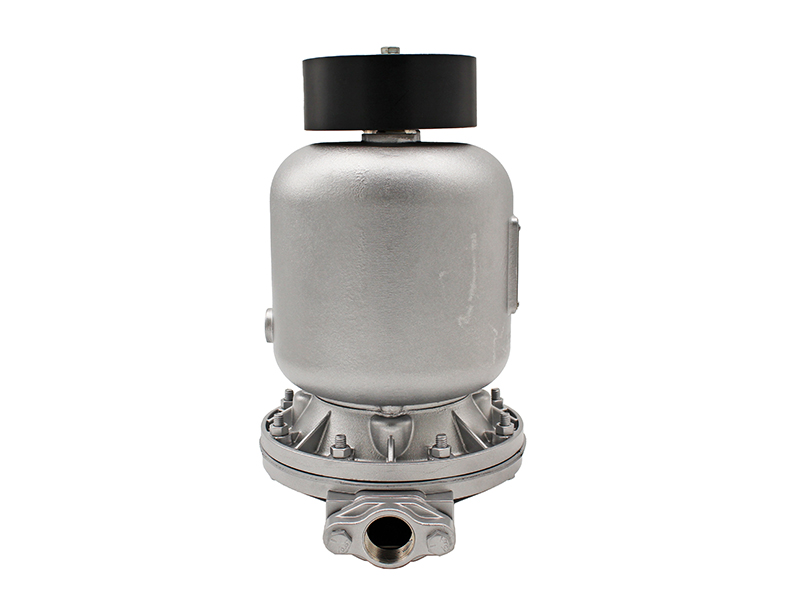
Enviroflex’s pulsation dampeners are ATEX-rated for safe operation in hazardous environments. Self-charging and self-venting, they handle pressures up to 125 psi. Choose from NPT or BSPT porting, aluminium or stainless steel wetted parts, and diaphragm materials in neoprene, PTFE, or Santoprene for optimal compatibility with your system.
In conclusion, pulsation dampeners are an important part of many industrial processes that involve pumps. They work by smoothing out the pressure variations, creating a consistent flow. This helps to reduce the wear and tear on the pump and the system it is connected to, as well as improve the efficiency of the system. There are several different types of pulsation dampeners available, each with its own unique set of advantages and disadvantages. It is important to choose the right pulsation dampener for your specific application to ensure optimal performance.
You can browse our range of pulsation dampeners here, or alternatively use the below contact form to speak with one of our friendly advisors.
Troubleshooting Common Diaphragm Pump Problems
Cavitation in Pumps: Causes, Effects and How to Prevent It
Fill in the form below and one of our friendly advisors will contact you.