Industry
Application Guides
When it comes to moving thick, heavy sludge, not just any pump will do. Sludge, also known as slurry, is a challenging material — it’s thick, often abrasive, and full of solids that can clog or wear out equipment quickly. Whether you’re working in wastewater treatment, agriculture, mining, or industrial processing, choosing the right sludge pump can make all the difference in performance and reliability. In this guide, we’ll break down the different types of sludge pumps available, explore their pros and cons, and highlight what to consider when picking the best pump for your application.
With many options available, it can be challenging to choose the right sludge pump. Here are five essential factors to consider:
Start by understanding what you’re pumping. Is the sludge thick and abrasive? Does it contain large solids or chemical additives? High-viscosity or solid-heavy sludge often calls for a positive displacement pump, while lighter, more diluted sludge may be suitable for a centrifugal pump.
Knowing how much sludge you need to move — and how far — is essential. Look at your required flow rate (litres per minute) and discharge pressure to ensure the pump can maintain consistent performance without strain.
Sludge is tough on equipment, so material choice matters. Look for pumps made with abrasion and corrosion resistant materials like stainless steel, or rubber-lined components to extend pump life and reduce wear.
Some pumps are easier (and cheaper) to maintain than others. Consider how often the pump will need servicing, how easy it is to access parts, and what ongoing maintenance will cost you in time and money.
Think about where the pump will go. Do you need a compact unit for a tight plant room, or a submersible option to sit directly in a tank or pit? Choosing the right configuration can make installation easier and help avoid costly retrofitting.
Taking into consideration the points above, browse our selection of suitable pumps below. Bear in mind your sludge consistency, solids, and space / pipework constraints.
Progressive cavity pumps are well-suited to sludge that’s high in solids or abrasive content. Their ability to move material gently makes them a reliable choice in wastewater treatment, biogas plants, and food waste processing.
For progressive cavity pumps, we recommend the Mono EZstrip™ series. These pumps are designed for easy in-situ maintenance, allowing for quick disassembly and de-ragging without removing pipework. With flow rates up to 225 m³/h and pressure capabilities up to 12 bar, they are ideal for handling thick, abrasive, or shear-sensitive sludges. The EZstrip™ series offers a reliable solution for efficient sludge handling in various industrial applications.
Click Here To Contact Us About Progressive Cavity Pumps.

Centrifugal pumps are best suited to pumping water-like sludge with low solids content. They’re a popular choice in wastewater plants and light-duty industrial settings where high flow is more important than handling abrasive materials.
For centrifugal pumps, we recommend the Varisco J Series. These self-priming centrifugal pumps are designed for rapid priming without the need for a foot valve, making them ideal for applications involving thick, abrasive, or high-solids sludge. With the ability to handle solid particles up to 76mm in diameter and a maximum flow rate of 1,200 m³/h, they offer reliable performance in demanding conditions. The J Series is available in various materials, including cast iron, hardened cast iron, and stainless steel, ensuring durability and resistance to corrosive environments.
Air-operated diaphragm pumps (AODDs) are incredibly versatile and well-suited for tough sludge applications — especially where chemical compatibility, solids handling, or portability is important. They’re commonly used in industrial and chemical plants, as well as in temporary or mobile sludge transfer setups.
For air-operated diaphragm pumps, we recommend the Graco Husky range. These pumps are engineered for durability and efficiency, featuring a stall-free, low-pulsation air valve for smooth and reliable performance. With flow rates up to 300 gpm (1,135 lpm) and the ability to handle viscosities up to 20,000 cps, the Husky series is ideal for tough sludge applications. Available in a variety of materials—such as polypropylene, PVDF, aluminum, and stainless steel—many models are also ATEX-rated, making them suitable for use in hazardous or explosive environments.
Click Here To Browse Husky Pumps

EODD pumps offer the same reliable, solids-handling performance as traditional AODD pumps but run on electricity instead of compressed air. This makes them more energy-efficient and suitable for settings where air supply is limited or where energy savings are a priority.
For electric-operated diaphragm pumps, we recommend the Graco QUANTM™ series. These pumps are designed to meet the growing demand for clean energy and sustainable technologies, offering up to 80% energy savings compared to traditional air-operated diaphragm pumps. The QUANTM™ series features a compact, lightweight design with a powerful electric motor that provides high torque at low speeds, making them ideal for handling viscous and abrasive sludge. With integrated smart controls, they offer variable speed operation, self-priming capabilities, and the ability to stall under pressure without additional sensors, reducing downtime and maintenance. Available in various sizes and materials, including models suitable for hazardous locations, the QUANTM™ pumps provide a reliable and efficient solution for challenging sludge applications.
Click Here To Browse Quantm Pumps

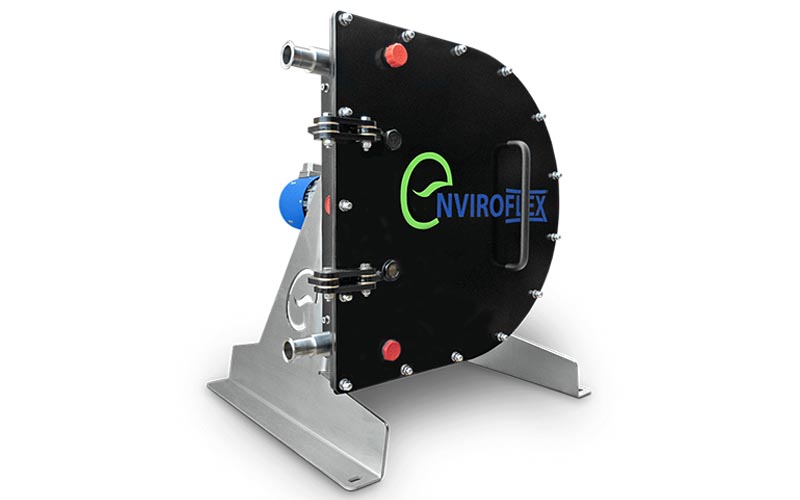
Peristaltic pumps are a reliable choice for dosing or transferring sludge with high solids content, abrasive particles, or shear-sensitive properties. Commonly found in wastewater treatment, chemical processing, and mining, they offer low-maintenance performance with a gentle pumping action that protects both product and equipment.
For peristaltic pumps, we recommend the Enviroflex L Series. Manufactured in the UK, these pumps are designed for durability and efficiency in handling abrasive or shear-sensitive sludge. With hose sizes ranging from 10mm to 150mm, the L Series can accommodate flow rates up to 105,000 L/hr and handle soft solids up to 120mm in diameter. Features include self-priming up to 9 meters, maximum operating temperatures of 100°C, and optional heated jackets for viscous materials.
Click Here To Browse L Series Pumps.
Submersible pumps are designed to operate fully submerged in the sludge they’re pumping. They’re often used in pits, lagoons, sumps, and tanks — especially in wastewater treatment plants, construction sites, or industrial cleanup. Their compact design and ability to handle tough, high-solids sludge make them ideal for heavy-duty applications.
For submersible pumps, we recommend the JS Pump SV Series. These pumps are designed for efficient handling of sewage and wastewater containing soft solids, making them ideal for applications in pits, sumps, or tanks. The SV Series features a vortex impeller that allows solids to pass through the pump body, reducing the risk of clogging. Constructed with a robust cast iron body and stainless steel shaft and motor casing, these pumps offer durability and resistance to corrosive environments. With models capable of handling solids up to 65mm in diameter and flow rates up to 750 litres per minute, the JS Pump SV Series provides reliable performance for heavy-duty sludge pumping needs.
Click Here To Browse JS Sewage Pumps

Selecting the right pump for your application is just the first step—it’s also important to consider what else you’ll need for the job. Below are some items that may be essential, depending on your setup. If you’re unsure about your requirements, our team is always here to help.
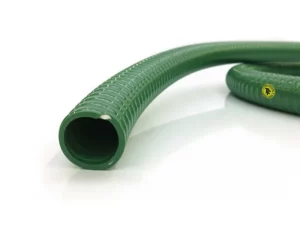
Green suction hose is a medium-duty option for connecting components. More rigid and durable than blue layflat hose, it offers a longer lifespan but is bulkier and harder to store. It’s also suitable for use with submersible pumps when draining sludge.
A pulsation dampener helps smooth out flow by reducing pulsation and pressure variations on the pump discharge, minimising product disturbance.

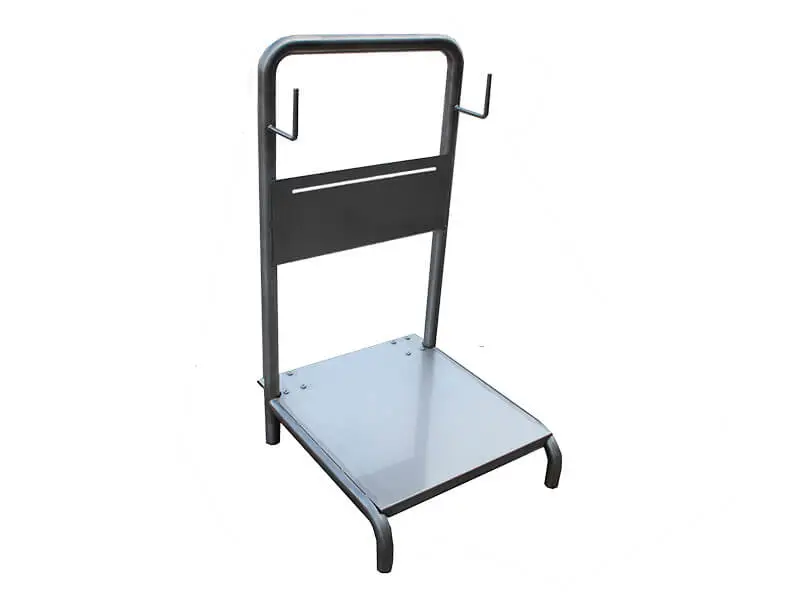
A trolley is ideal for pumps used across multiple applications, making it easy to move them around your workspace.
Minimise downtime with reliable spares from TF Pumps. From mechanical seal kits for centrifugal pumps to wet side kits for AODD pumps and hoses for peristaltic pumps—these are just a few of the many spares and repair kits we offer to keep your systems running smoothly.

Fill in the form below and one of our friendly advisors will contact you.