Industry
Submersible pumps are a key solution for moving water and other fluids from deep below ground or submerged environments. Whether you’re draining a flooded basement, emptying a well, or handling wastewater in an industrial application, submersible pumps are designed to work efficiently while fully submerged in the fluid they’re pumping.
Submersible pumps work by pushing water to the surface using centrifugal force generated by a spinning impeller. They are designed to operate while completely submerged in water. Here’s a simplified step-by-step breakdown of how they work:

Submersible pumps are engineered for a wide range of fluid-handling applications across multiple sectors. In addition to the examples below, they are frequently deployed wherever efficient, reliable liquid transfer is required under submerged conditions.
| Pros | Cons |
|---|---|
| Efficient Operation – Pushes water rather than pulling, using less energy. | Hard to Access – Maintenance is more difficult since the pump is underwater. |
| Self-Priming – Always submerged, no manual priming needed. | Seal Failure Risk – Worn seals can allow water into the motor. |
| Quiet Performance – Submerged operation reduces noise. | Corrosion Risk – Long-term exposure to water can reduce lifespan. |
| Space-Saving – Installed out of sight and saves surface area. | Higher Installation Cost – Setup in deep wells may require professionals. |
| Versatile Applications – Suitable for clean, dirty, or sewage water (with correct model). | Depth & Debris Limits – Not all models can handle deep wells or large solids. |
| Reduced Cavitation Risk – Submersion minimizes air bubble formation. |
| Component | Function | Description |
|---|---|---|
| Pump Housing (Casing) | Protects internal parts | Made from stainless steel, cast iron, or plastic to resist corrosion and damage |
| Electric Motor | Powers the pump | Converts electricity into motion; fully sealed to prevent water ingress |
| Impeller | Creates water flow | Spins rapidly to generate centrifugal force Read more about impellers |
| Shaft | Connects motor & impeller | Transfers rotational force; usually made of stainless steel |
| Seal | Prevents leakage | Keeps water out of the motor housing |
| Suction Intake | Draws water in | Entry point located near the bottom or side of the pump |
| Discharge Outlet | Pushes water out | Connects to pipes or hoses to transport water |
| Power Cable | Delivers electricity | Waterproof and insulated for safe submerged operation |
| Float Switch (Optional) | Automatic control | Turns the pump on or off based on water level |
| Cooling System (Optional) | Prevents overheating | Uses oil or water jackets in high-duty or long-run applications |
Maintaining your submersible pump ensures long-term efficiency and prevents costly breakdowns. Routine care helps avoid clogging, motor damage, and reduced performance. Here are a few helpful tips:
Lightweight and compact. Ideal for drainage and temporary hose connections. Easy to store, but not as durable as heavy-duty hoses.

Heavier-duty, more rigid, and longer-lasting than layflat hose. Great for permanent installations.
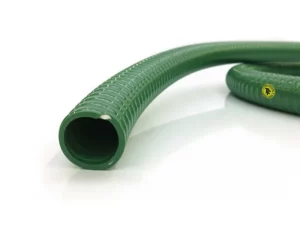
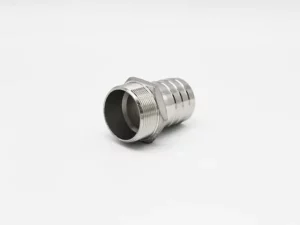
Connect and secure your hose system using:
Submersible pumps are compact, efficient, and adaptable to a wide range of applications. From residential water supply to heavy-duty industrial use, their submerged design offers space-saving, quiet, and powerful performance. With proper selection and maintenance, they deliver long-lasting value across industries.
What Is a Diaphragm Pump and How Does It Work?
Pump Impellers – An Overview of the Different Types
UK Water Regulations & Guidance
Fill in the form below and one of our friendly advisors will contact you.