Industry
Application Guides
Pumps play a vital role in any winery, serving a variety of essential functions throughout the winemaking process. They are used to transport harvested grapes from a de-stemmer or crusher to fermentation tanks. They also move wine between tanks and handle filling and emptying of tanker trucks. During the blending stage, pumps can be used for pumping must. Winery Pumps can also move the wine to the filtering process, to remove sediment or solids. Finally, pumps move the wine to the bottling line for packaging.
We have written the below guide to the types of Winery Pumps we offer to help you along with your decision. Should you require any further information, or have any additional questions then please call us on +44 1332 913500.
With many options available, it can be challenging to choose the right winery pump. Here are five essential factors to consider when selecting from various winery pumps on the market:
Does your liquid contain solids? Some wine pumps are designed to allow solids to pass through. The maximum size of solids is usually measured in millimetres and listed on the pump’s datasheet. Passing solids larger than recommended can clog the impeller and cause downtime. To avoid this, measure accurately and choose a winery pump that can handle your solids safely.
Do you know the flow rate you need? The flow rate of your winery pump determines how fast it can move liquid from one point to another. It’s usually measured in Litres Per Minute (LPM), Gallons Per Minute (GPM), or Cubic Metres Per Hour (m³/hr). To calculate the required flow rate, consider the size of your tank or barrel and how quickly you want to fill them. Selecting the right wine pump ensures smooth and efficient operation.
Consider the vertical distance your pump needs to move liquid. The maximum head lift refers to this height from your pump to the container. When using a winery pump, ensuring the equipment can handle the required head lift is essential to avoid performance issues.
A smooth, steady flow is crucial for maintaining the quality of your product. Ensure your wine pump isn’t causing shear to the wine, and consider using a pulsation dampener when possible. Minimising air entry preserves the taste and integrity of your wine.
Food-grade and hygienic pumps are essential when handling liquids intended for consumption. Sanitary winery pumps or wine pumps are typically made from high-grade stainless steel to eliminate areas where product could settle and allow bacteria to grow. If using peristaltic pumps, make sure the hose is food grade for safe and sanitary operation.
Considering the points above, it’s now time to browse for suitable pumps for wine. Keep flow rate, maximum head, solids capacity, and hygiene standards in mind when selecting the right equipment for your winery or wine production process.
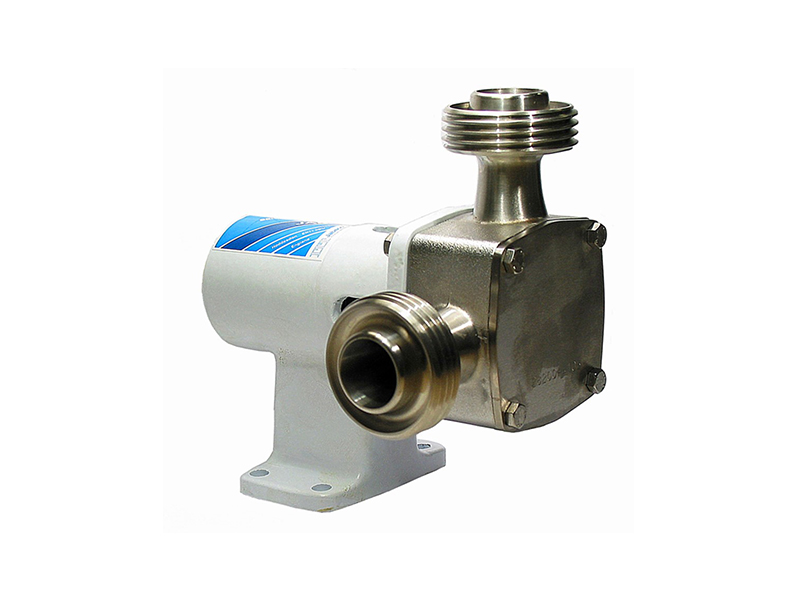
Flexible Impeller Pumps are one of the best all-purpose pumps for a winery, they are capable of handling almost all pumping tasks in a winery, including must transfer, wine transfer, bottling, CIP, transferring from barrels, pumping pumice and more.
The pumps should be fitted with Food Grade Neoprene impellers which allow the pump to be strong, efficient and gentle on the product. They are self-priming and can pump liquids with suspended solids. These pumps tend to be more affordable, even for small wineries.
We recommend the following Flexible Impeller Pumps for your winery –
Browse Electrically Driven Flexible Impeller Winery Pumps
Air driven double diaphragms pumps are versatile positive displacement pumps that are driven by compressed air. They are self-priming, with the ability to handle a wide range of liquids, including hot, cold, thick, and solid laden.
These air pump winery systems are available in Food Grade materials which makes them ideal for a winery, alongside being low maintenance and easy to clean. Their no seal designs and gentle handling of the product ensures that no air from outside the pump can get into your wine. One drawback of these air pumps for wineries is that they require expensive compressed air to operate. This will need to be factored into your costs, if you haven’t already got compressed air installed in your winery. They can also cause pulsations in your piping, although Air regulators and pulsation dampeners are also available to add to your diaphragm pump to create a smoother transfer of your product.
We recommend the following Air Operated Diaphragm Pumps for your winery –
Enviroflex Sanitary AODD Pumps
Dellmeco Polished Hygienic Series
Browse Air Operated Double Diaphragm Winery Pumps


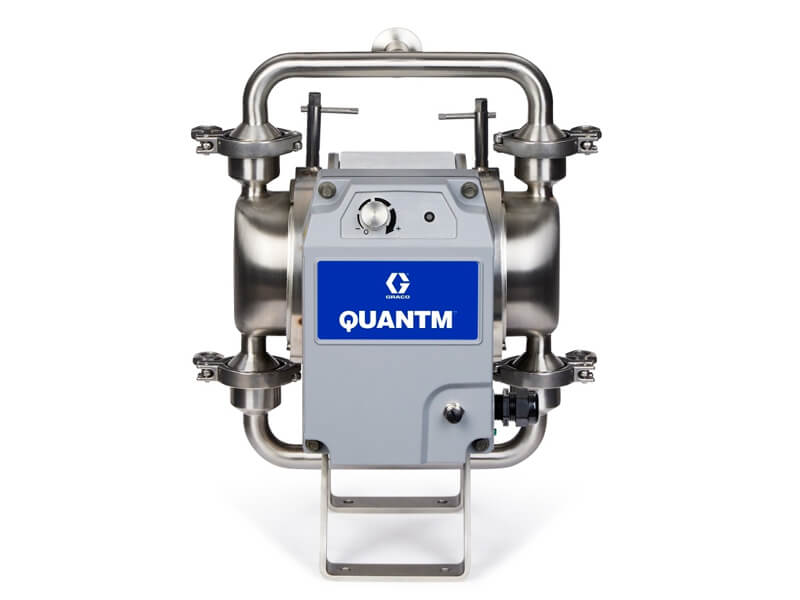
Electrically driven double diaphragm pumps offer the same benefits as air-driven versions but don’t require costly compressed air. While they have a higher initial cost, they are much more cost-effective for long-term use. These pumps share the downside of causing pulsations in your piping, but pulsation dampeners are available to address this.
We recommend the following Electrically Driven Diaphragm Pumps for your winery –
Browse Graco Quantm H Series Winery Pumps
Peristaltic hose pumps are a very simple, quiet & hygienic design of pump, using the principle of peristalsis (similar to your intestine). The liquid is gently pushed through a food grade rubber hose, causing minimum disturbance & damage to the product being pumped. This type of pump is perfect for transferring liquids without introducing oxygen or disturbing the product. They are what we call true self priming pump, capable of pulling dry suction lifts of 3 metres plus (dependant on size of pump) and are capable of dry running without damage. However, like every pump design this is not something we would recommend & would suggest that you avoid if you can.
Peristaltic hose pumps can handle a wide range of liquids, whether hot, cold, thick, thin, clean, solid-laden, or abrasive. They are fully customisable, with options including different motors, speed controls, connections, hoses, and even castor wheels. The downside to peristaltic hose pumps is that they can cause pulsation in your pipe work, but pulsation dampeners are available to eliminate this. Peristaltic hose pumps are very energy efficient to run & lifetime ownership is very common, making them an ideal choice for your Winery Pump.
We recommend the following Electrically Driven Peristaltic Pumps for your winery –
Click Here To Browse Enviroflex’s L Series Peristaltic Pumps.

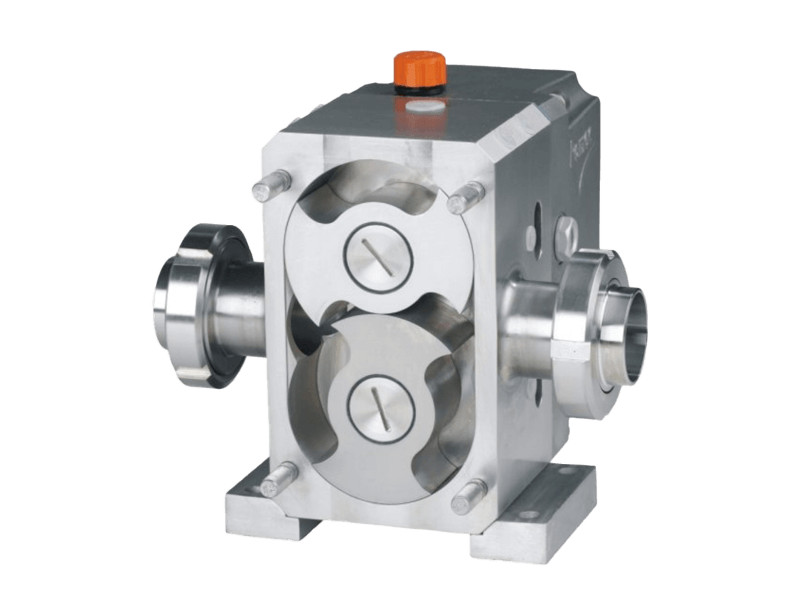
Lobe pumps are ideal for wineries, their design ensures that they do not shake the product, and they effectively maintain the quality of the wine. They are self-priming, essentially pulsation free and support both CIP and SIP.
Lobe pumps are usually made to order based on the individual application, and can therefore be a quite expensive investment. If you are choosing a lobe pump for your winery, please contact us.
Click Here To Contact Us About Lobe Pumps
Choosing the right pump for your winery is important, but after you’ve selected your pump, it’s crucial to think about your other requirements for the job. Below you’ll find some items that may be considered essential, depending on your situation. If you’re ever unsure on your requirements, our team is available to help you.
We sell a wide range of hoses for transfer of liquid. Keep in mind the temperature requirements whilst choosing your hose. Our Clear Braided is a good option, which is Food Grade and are fully RoHS and REACH Compliant.

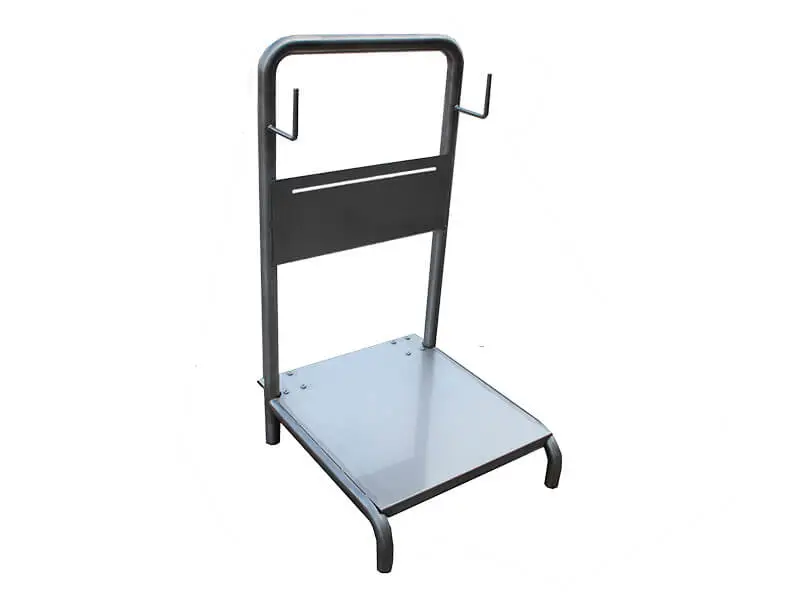
A trolley is especially useful for pumps that you use for more than one application, allowing you to easily maneuver the pump around your space.
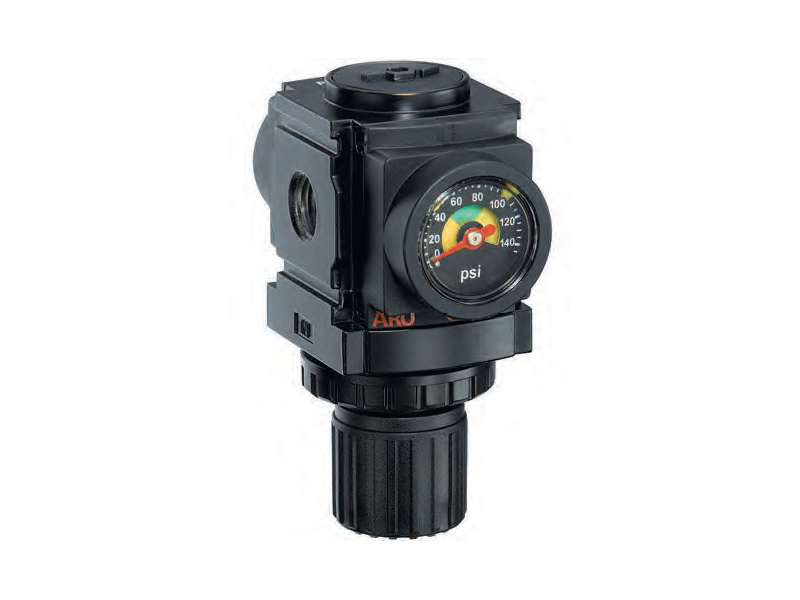
If you’re using an air pump winery system, air line regulators provide controlled, consistent air pressure as required for specific pneumatic equipment connected to the air system.
A pulsation dampener can be used to reduce pulsation and remove pressure variations on the discharge of your pump, ensuring a smoother flow and less disturbance to your product.

Fill in the form below and one of our friendly advisors will contact you.