Industry
Application Guides
Whether you’re a home brewer or a large brewing company, one of the most important pieces of equipment you will have is your brewery pump. With a vast array of pumps to choose from, deciding what pump best suits your needs can be overwhelming. We have written the below guide to the types of Brewery Pumps we offer to help you along with your decision. Should you require any further information, or have any additional questions then please call us on +44 1332 913500.
With many options available, it can be challenging to choose the right brewery pump for your brewery. Whether you need a portable brewery pump, a small brewery pump, or a micro brewery pump, here are five essential factors to consider when selecting brewing pumps.
Do you know what flow rate you require? The flow rate of your brewery pump determines how quickly it can transfer liquid from one location to another. Flow rate is typically measured in Litres Per Minute (LPM), Gallons Per Minute (GPM), or Cubic Metres Per Hour (m³/hr). Consider your tank sizes and how quickly you want to fill them. For example, a beer pump may need a higher flow rate for moving large volumes of wort, while a small brewery pump may only require moderate flow for delicate transfers.
Next, determine the vertical suction lift you need. This measures how far a pump for brewing can lift liquid from its original position. For example, if your pump is at the bottom of a tank, the suction lift is measured from the bottom to the pump’s inlet.
Now, consider the height to which you need to pump liquid. Maximum head lift refers to the vertical distance the pump must move liquid. Brew pumps are designed to handle different head lifts depending on the setup, ensuring liquids are transferred safely and efficiently.
Does your liquid contain solids? Certain brewery pumps allow solids to pass through. The maximum solids they can handle is usually measured in millimetres and listed on the pump’s datasheet. Exceeding this can clog the impeller and cause downtime, so it’s important to select a brewery pump capable of handling your solids.
You have several power options to choose from. Pumps are available as air-powered or electric-powered. Air-powered pumps require an air compressor, so factor this into your setup cost. Electric-powered pumps come in single-phase or three-phase. Three-phase motors are recommended for industrial applications with heavier loads, while single-phase pumps suit smaller operations. Make sure your brewery has the correct power supply if using brewing pumps or a beer pump.
Considering the points above, it’s now time to browse for a suitable brewery pumps. Check the flow rate, power, maximum head, solids capacity, and lift requirements for your brewery pump to ensure safe and efficient operation.
Perfect For Small / Medium Sized Breweries
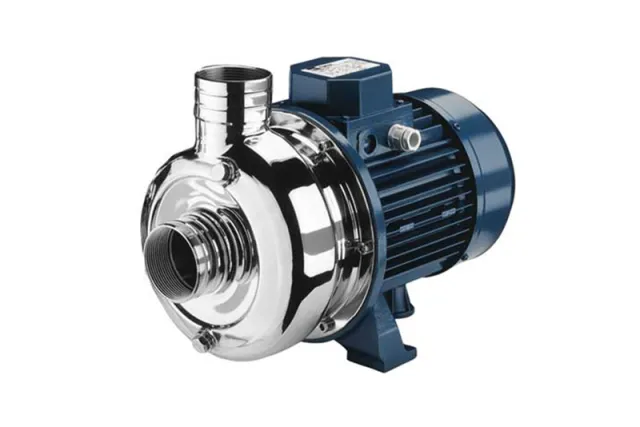
Centrifugal pumps are well-suited for transferring thin, water-like liquids such as hot liquor (water) and wort. However, it is important to avoid transferring liquids above 90°C. These pumps come with either Standard Mechanical Seals or Hard-Faced Mechanical Seals. If you plan to use the pump for transferring wort or in CIP (Clean-In-Place) applications, ensure that it has a hard-faced seal and do not exceed a 5% Caustic Soda solution.
The pumps feature either a closed impeller design, which is ideal for clean liquids and can handle solid particles up to 2mm in diameter. Or an open impeller design, suitable for liquids containing suspended solid particles up to 10mm in diameter, such as grain and hop particles. These specifications can vary depending on the pump model and manufacturer, so it’s important to check the datasheet of your specific pump.
Centrifugal pumps cannot run dry and require a positive suction head or flooded suction. They cannot naturally draw liquid from a vessel below the inlet port/centreline of the pump without being manually primed.
Additionally, when using a centrifugal pump to transfer finished uncarbonated or carbonated beer, be aware that these pumps often operate at 3,000 revolutions per minute (50 Hertz) or 3,600 rpm (60 Hertz), which will whisk and can cause aeration due to the high speed.
We recommend the following Electrically Driven Centrifugal Pumps for your brewery –
Browse Electrically Driven Centrifugal Brewery Pumps

Perfect For Medium / Large Breweries
Peristaltic hose pumps are a very simple, quiet & hygienic design of pump, using the principle of peristalsis (similar to your intestine). The liquid is gently pushed through a food grade rubber hose, causing minimum disturbance & damage to the product being pumped.This type of pump is perfect for transferring finished beer without introducing oxygen or disturbing the product. They are particularly useful for handling live yeast, especially if you plan to harvest and reuse the same yeast strain across multiple brews.Additionally, they excel at pumping away hop slurries after dry hopping. They are what we call true self priming pump, capable of pulling dry suction lifts of 3 metres plus (dependant on size of pump) and are capable of dry running without damage. However, like every pump design this is not something we would recommend & would suggest that you avoid if you can.
Peristaltic hose pumps can handle a wide range of liquids—whether hot, cold, thick, thin, clean, solid-laden, or abrasive. They are fully customisable, with options including different motors, speed controls, connections, hoses, and even castor wheels. The downside to peristaltic hose pumps is that they can cause pulsation in your pipe work, but pulsation dampeners are available to eliminate this. The initial capitol purchase price is more expensive that a centrifugal pump, but the pros far out way the cons of a centrifugal pump when it comes to pumping away your finished beer. Peristaltic hose pumps are very energy efficient to run & lifetime ownership is very common, making them an ideal choice for your Brewery Pump.
We recommend the following Electrically Driven Peristaltic Pumps for your brewery –
Click Here To Browse Enviroflex’s L Series Peristaltic Pumps.

Perfect For Medium / Large Breweries
Air driven double diaphragm pumps are highly versatile and can handle a wide variety of liquids, whether hot or cold, thick or thin, clean or containing solids. They are true self-priming pumps, capable of achieving dry suction lifts of over 3 meters, depending on the pump’s size and manufacturer. These pumps come in a range of materials, including various plastics (such as food-grade PE) and cast metals, with options like aluminium, cast iron, and stainless steel available in polished, hygienic designs. They can run dry for short periods without damage, though this depends on the air pressure used to drive the pump. However, like all pumps, it is generally not recommended to run them dry.
One drawback of air driven double diaphragm pumps is that they require expensive compressed air to operate. This will need to be factored into your costs, if you haven’t already got compressed air installed in your brewery. They can also cause pulsations in your piping, although pulsation dampeners are available to mitigate this issue.
We recommend the following Air Driven Diaphragm Pumps for your brewery –
Enviroflex Sanitary AODD Pumps
Dellmeco Polished Hygienic Series
Browse Air Operated Double Diaphragm Brewery Pumps


Perfect For Medium / Large Breweries
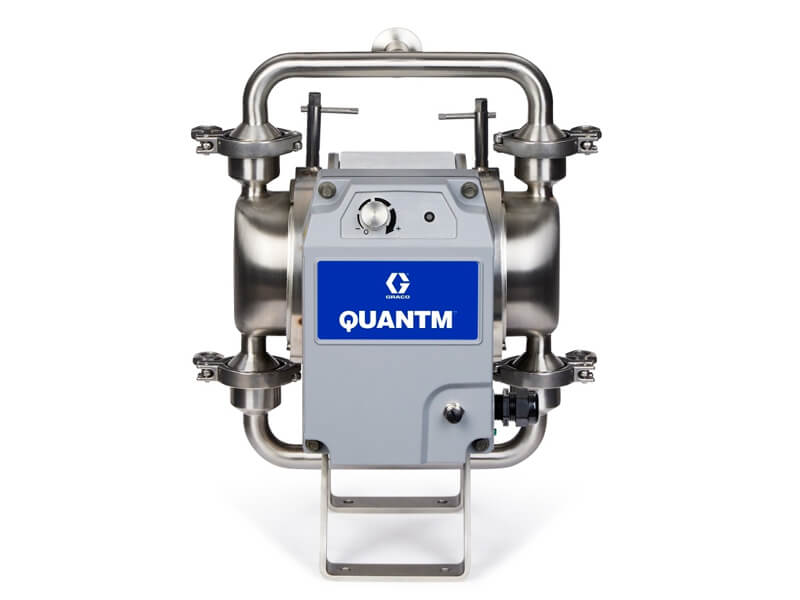
Electrically driven double diaphragm pumps offer the same benefits as air-driven versions but don’t require costly compressed air. While they have a higher initial cost, they are much more cost-effective for long-term use. These pumps share the downside of causing pulsations in your piping, but pulsation dampeners are available to address this.
We recommend the following Electrically Driven Diaphragm Pumps for your brewery –
Browse Graco Quantm H Series Brewery Pumps
Choosing the right pump for your brewery is important, but after you’ve selected your pump, it’s crucial to think about your other requirements for the job. Below you’ll find some items that may be considered essential, depending on your siutation. If you’re ever unsure on your requirements, our team is available to help you.
We sell a wide range of hoses for transfer of liquid. Keep in mind the temperature requirements whilst choosing your hose. Our Clear Braided is a good option, which is Food Grade and are fully RoHS and REACH Compliant.

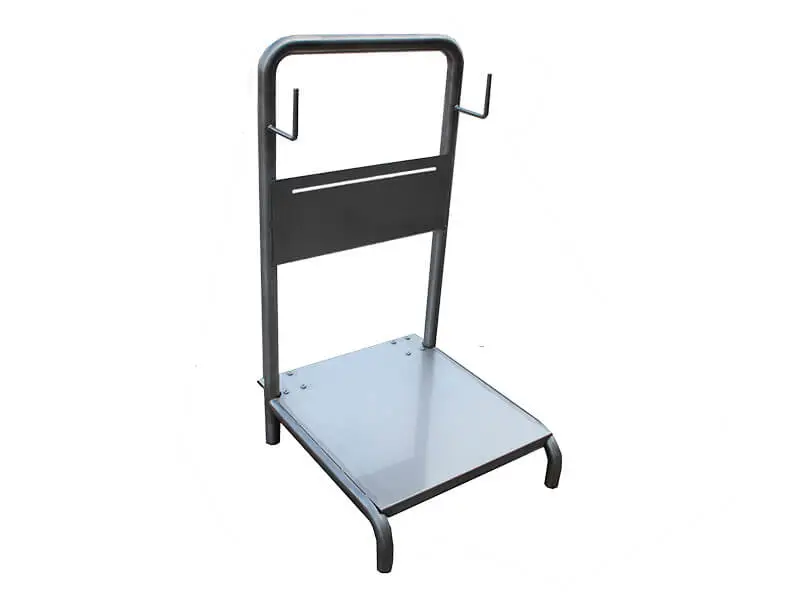
A trolley is especially useful for pumps that you use for more than one application, allowing you to easily maneuver the pump around your space.
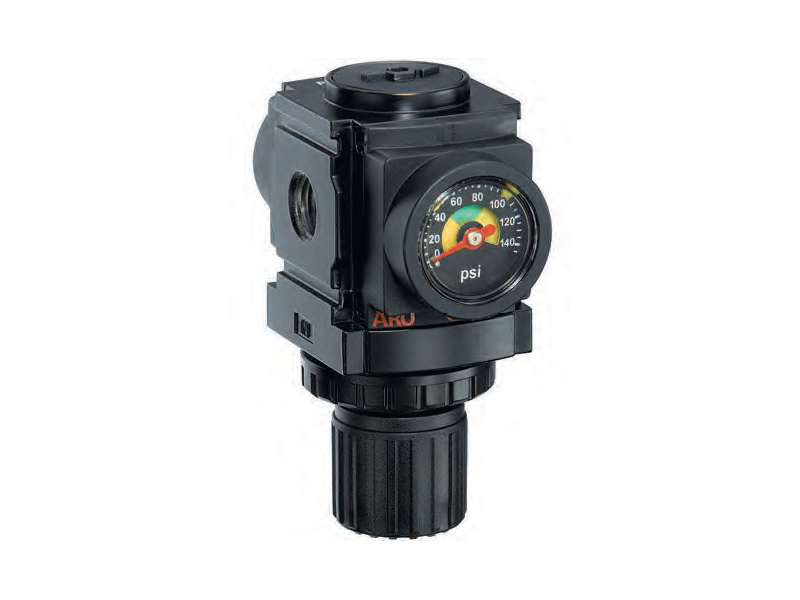
If you are using AODD pumps, air line regulators provide controlled, consistent air pressure as required for specific pneumatic equipment connected to the air system.
A pulsation dampener can be used to reduce pulsation and remove pressure variations on the discharge of your pump, ensuring a smoother flow and less disturbance to your product.

Discover Specialist Consultancy For Brewery Pump Design And Installation
Bespoke Fabrication Tailored To Your Brewery Setup
Fill in the form below and one of our friendly advisors will contact you.