Industry
Application Guides
Pumps are an essential component of any swimming pool, choosing one can prove to be difficult, and diving headfirst into pumps and their specifications can be confusing. We have written this guide to help you simplify the process and explain exactly what the pump will be doing, and how to work out which pump you need.
A swimming pool pump circulates the water throughout the pool’s network, it removes any suspended solids, purifying the water. The main components of a swimming pool pump are the housing, the motor, the impeller and the strainer. The housing will contain all the components for the pump, the motor is situated at the back, and is used to power the impeller; the impeller is the force behind the pump which pulls the water through, and the strainer is used to catch any debris from going through the pump.
With many options available, it can be challenging to choose the right swimming pool pump. Here are five essential factors to consider when selecting swimming pool pumps or electric pool pumps for your setup:
Firstly, to choose the correct swimming pool pump, you need to calculate your pool’s volume. Multiply the length, width, and depth of your pool to determine the volume. For example, a pool measuring 12 metres long, 5 metres wide, and 1.5 metres deep has a volume of 90 cubic metres. This equals 90,000 litres when converted (by multiplying your cubic metre volume by 1,000). This number helps determine the size of swimming pool pumps or electric pool pumps needed for effective filtration.
Next, calculate the flow rate required. Ideally, you will want to pump the water around your pool twice over 24 hours. Multiply your pool volume by 2 to get the total litres to pump per day. Then, divide this number by 1,440 (the number of minutes in a day) to get the required Litres Per Minute (LPM). In our example, our 90,000-litre pool requires 180,000 litres per day. Dividing by 1,440 gives approximately 125 LPM, meaning you need an electric pool pump or swimming pool drainage pump that can achieve at least this flow rate.
Swimming pool pumps and electric pumps for pools come in single-phase or three-phase motors. Single-phase motors connect directly to the electrical supply but typically have shorter lifespans. Three-phase motors are usually more compact, produce less vibration, and last longer.
If your pool is heated, the heat pump operates separately from the swimming pool filtration pump. Water is filtered by the pool pump before heating and returning to the pool. Proper system design ensures all components, including electric pool pumps, swimming pool pumps, and filters, work harmoniously.
Finally, ensure the filter size matches the swimming pool pump or electric pool pump. A mismatch can place unnecessary strain on the pump, shortening its lifespan. Matching the filter flow rate to the pump is crucial for optimal operation.
Considering the points above, it’s now time to browse for suitable pumps. Pay attention to flow rate, motor power, and filter size when selecting from swimming pool pumps, swimming pool drainage pumps, or electric pumps for pools. Choosing the right electric pool pumps ensures efficient, long-lasting performance for your pool setup.
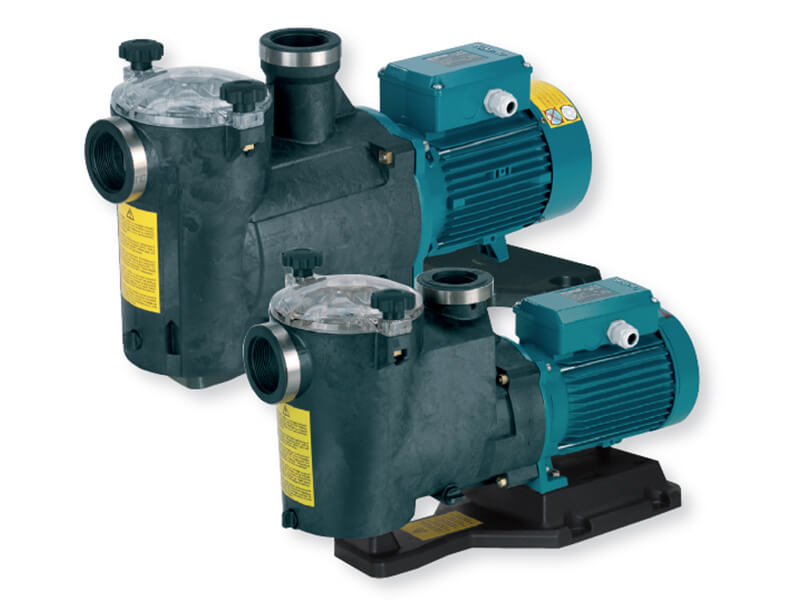
Calpeda have 2 ranges of swimming pool pumps available, the MPC Series and the NMP Series.
Click Here To Browse Calpeda’s Swimming Pool Pumps.
Ebara have the SWS / SWT range of Swimming Pool Pumps.
Click Here To Browse Ebara’s Swimming Pool Pumps.
Plastica Argonaut have the original AV Series swimming pool pump, as well as the AG Series for smaller applications.
Click Here To Browse Plastica Argonaut’s Range
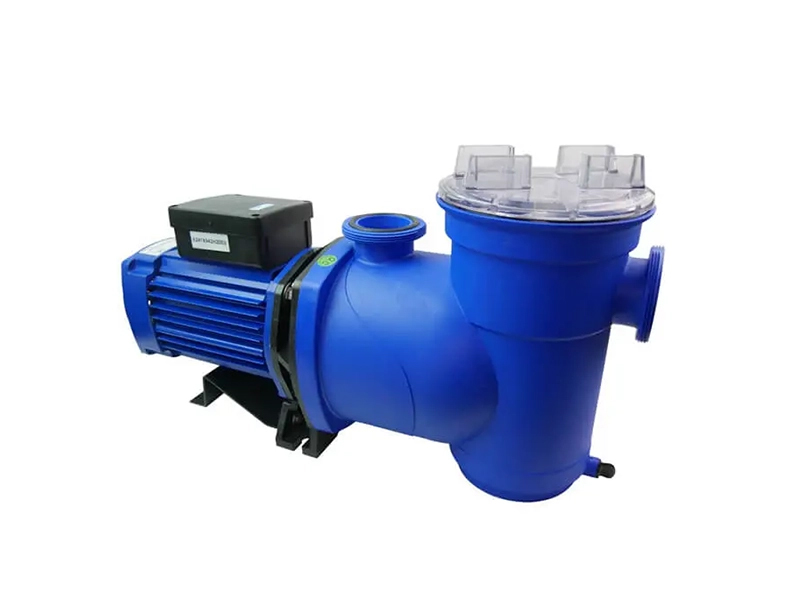
The Nocchi Swimmey range of pumps have been designed to achieve maximum operational reliability in filtering and recirculating water treated with chlorine.
Click Here To Browse Pentair Nocchi Swimmey’s Range

Choosing the right pump for your pool is important, but after you’ve selected your pump, it’s crucial to think about your other requirements for the job. Below you’ll find some items that may be considered essential, depending on your situation. If you’re ever unsure on your requirements, our team is available to help you.
A submersible pump is essential if you ever need to drain your swimming pool. Looking at the pump’s flow rate allows you to gauge how long it’ll take to drain your pool, and getting a pump with a float switch allows it to auto switch off when the water reaches a certain level.
A light and compact hose, Blue Lay Flat is ideal for use on draining swimming pools and connecting certain components. It’s easy to store after use, but has a shorter lifespan than heavier duty hoses.

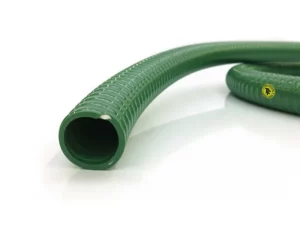
Green suction hose is a medium duty hose that can be used to connect your components. It’s more rigid and heavier duty than blue lay flat, meaning it’s more bulky but has a longer life span. It can also be used to connect to your subermsible pump when draining your pool, but is difficult to store due to it’s rigidness.
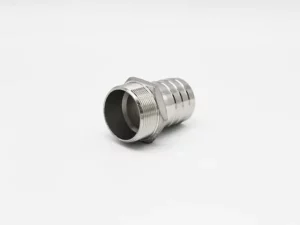
You will need additional accessories to connect your hose up to your equipment, Jubilee Clips will help secure your hose onto your equipment, and Hose Barbs allow you to connect your hoses to certain pumps.
Fill in the form below and one of our friendly advisors will contact you.