Industry
Application Guides
Whether you’re watering livestock, transferring milk in the parlour, emptying a slurry store, or refuelling machinery in the yard, the right agricultural pump matters. Very few farms have only one pumping duty. A pump that handles clean borehole water beautifully will not last five minutes on slurry. This guide covers the types of agricultural pump we supply and what to weigh up before you buy. It also sets out which ranges we would put forward for each job on the farm. Are you watering crops specifically? In that case, our guide to choosing an irrigation pump covers sprinkler, drip, flood, and centre pivot systems. For further information or specific questions, please contact us on +44 1332 913500.
When selecting an agricultural pump, these seven factors help to determine the right choice:
This is the first question to answer properly. Clean borehole water, milk, slurry, liquid fertiliser, and red diesel are five very different duties. Each one narrows the field considerably. Viscosity, temperature, and abrasiveness all matter. So does whether the fluid is shear sensitive. Milk and liquid feed, for example, need gentle handling to protect quality. That is why flexible impeller and positive displacement designs are preferred here, rather than high-speed centrifugals.
Flow rate tells you how much liquid the pump must move. It is usually measured in litres per minute or cubic metres per hour. Head is the pressure the pump must generate to deliver that flow. It accounts for vertical lift, the pressure needed at the outlet, and friction losses through the pipework. On farms, the run between the water source and the buildings is often long. As a result, friction loss is frequently underestimated. The pump then looks right on paper but underperforms in the field.
Slurry, dirty yard washings, silage effluent, and ditch water all carry solids. Straw, grit, sand, and fibrous matter will block a closed impeller. They also wear out internals quickly. Therefore, look for open, vortex, or wide channel impellers with generous solids passage. Cutter options help where fibrous material is present. For abrasive duties, hard-wearing materials such as cast iron are worth the extra cost.
Anything touching milk, colostrum, liquid feed, or drinking water needs specifying with hygiene in mind. In practice, that means food-grade wetted materials and approved elastomers or stainless steel. The pump should also be easy to clean in place or strip down. Above all, confirm the exact certification you need before ordering. Standard industrial versions of a range often fail dairy requirements, even where the hydraulics are identical.
Liquid fertilisers, pesticides, herbicides, teat dips, and dairy detergents are all aggressive in different ways. The body, diaphragms, seals, and O-rings must each suit the product. Compatibility is not simply a question of the casing. If several chemicals run through one pump, specify for the most aggressive of them. Finally, flammable products such as petrol require ATEX-certified equipment. That applies to air-operated and electrically driven pumps alike.
Farm pumping duties are often a long way from three-phase power. Single-phase units suit most parlour, yard, and building applications. Larger borehole and transfer pumps, however, frequently need three-phase. For remote fields and outlying buildings, engine-driven agricultural pumps remove the dependence on mains supply altogether. Alternatively, 12V and 24V DC models run directly from a tractor or sprayer battery.
Some farm pumps run almost continuously. Water supply and slurry transfer are good examples. Others work hard for a few weeks, then sit idle, which is its own kind of stress. Consider how easy the pump is to service. Check that wear parts such as impellers, diaphragms, and seals are readily available. Finally, think about how the pump will be protected over winter. A unit you can strip down in the workshop on a wet afternoon is worth a great deal.
The list of fluids on a farm is long. As a result, most holdings end up running several pump technologies side by side. Here is what each one does well.
These use a spinning impeller to add velocity to the liquid. Consequently, they suit water and thinner fluids at higher flow rates.
Centrifugal & Self-Priming Centrifugal Pumps are the workhorses of farm water movement. They deliver high flow at moderate pressure. Water supply, transfer, and washdown are their natural territory. Self-priming versions matter where the pump sits above the water level, for example when drawing from a river or open tank. In that situation, no manual priming is needed each time.
Borehole & Submersible Pumps sit below the water level and push water to the surface. Multistage designs handle the deep lifts involved in drawing from a well or bore. For farms relying on their own groundwater, they are the standard choice.
Solids-Handling Submersible Pumps are built for slurry, dirty water, and effluent. Wide channel, vortex, and cutter impellers pass or shred solids that would block a clean water pump. Most are designed to be lowered straight into a pit, lagoon, or reception tank.
Engine-Driven Pumps run on petrol or diesel and work independently of mains electricity. They are ideal for field work, flood response, and emergency dewatering. Trash pump versions, meanwhile, are built to pass debris and silt.
Magnetic Drive Pumps have no shaft seal, because the motor drives the impeller through a magnetic coupling. That removes the most common leak path. They are therefore a tidy solution for circulation and cooling duties.
Multistage & Booster Pumps generate the higher pressures needed to supply several buildings or washdown points at once. In short, they hold steady pressure across the farm even as demand changes.
These move a fixed volume of liquid with each cycle. As a result, they cope far better with thick, shear sensitive, or otherwise awkward fluids.
Flexible Impeller Pumps use a rubber impeller that flexes as it turns. This creates a gentle, positive displacement action. They self-prime, run in either direction, and move shear sensitive products without damaging them. For that reason, they are widely used for milk, colostrum, and liquid feed.
Diaphragm Pumps come in electric and air-operated forms. Electric versions, often 12V or 24V, are the standard choice for sprayers. They run dry safely, self-prime, and can be dead-headed against a closed spray gun. Air-operated double diaphragm pumps, on the other hand, handle more aggressive chemicals and thicker fluids.
Piston & Lubrication Pumps deliver oil and grease at high pressure. Typically they serve a workshop dispensing system or an automatic lubrication system fitted to the machine itself.
We’ve broken our recommendations down by application. Jump to the one that fits your needs:
Perfect For Livestock Farms, Dairies, Poultry Units, Farm Buildings & Yards
Reliable water underpins almost every other operation on a farm. Troughs, parlour washdown, poultry drinkers, and pressure washers all depend on it. An interruption is felt immediately. Most farms draw either from a borehole or from a surface source such as a river or reservoir. That water then has to travel across a site spanning several hundred metres of pipework. Before you scale up, check whether you need an abstraction licence from the Environment Agency. In England, taking more than 20 cubic metres a day from a natural source usually requires one.
These are the answer where a farm relies on its own groundwater. Sitting below the water level, they lift water to the surface in multiple stages. In addition, they run quietly and stay out of the way.
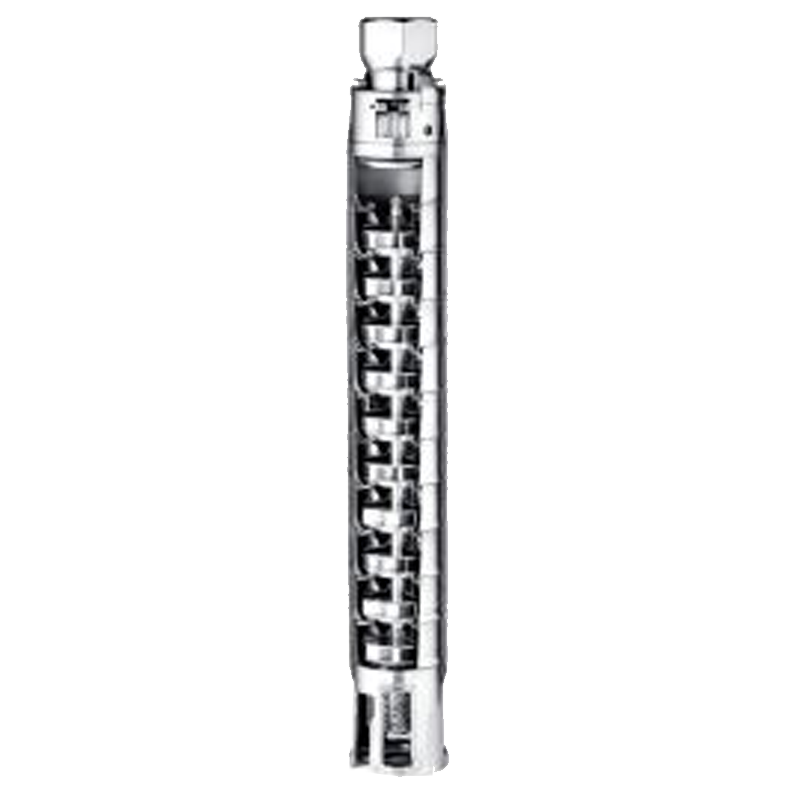 |
Ebara 4BHS Our first choice for farm boreholes. A stainless steel 4″ pump built for agricultural water supply, pressure boosting, and firefighting plants. It is a dependable everyday performer for stock and washdown water. |
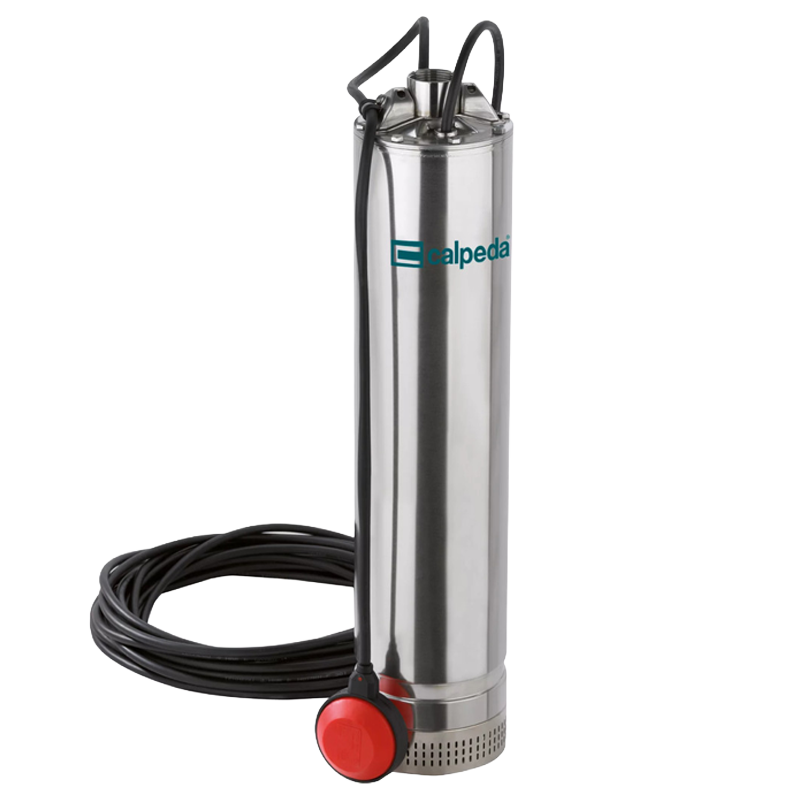 |
Calpeda MXS Series Multistage stainless steel borehole pump for water supply from wells, tanks, or reservoirs. It is also a natural fit for rainwater harvesting systems feeding farm buildings. |
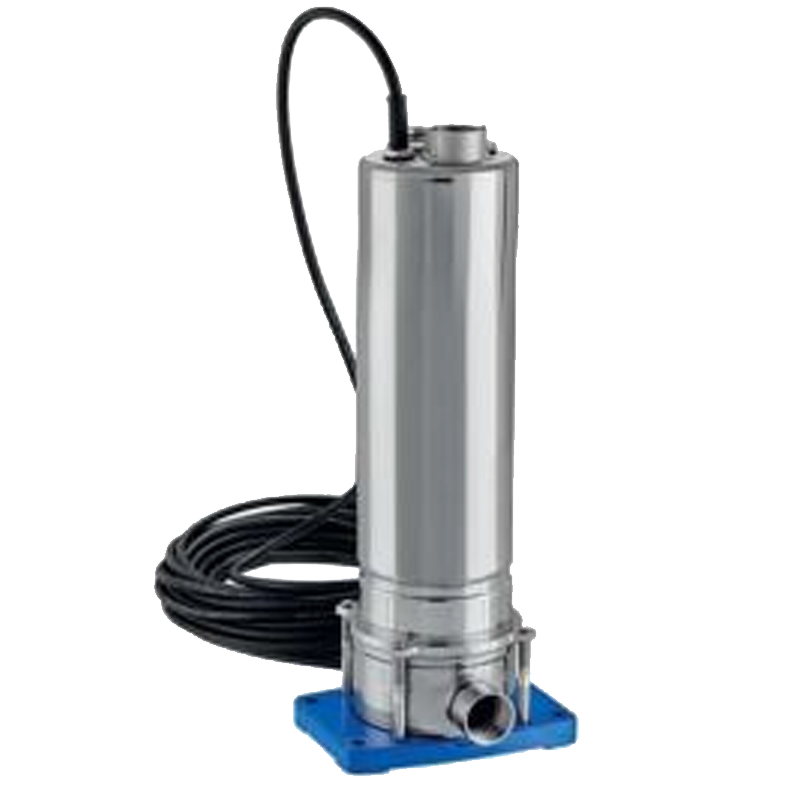 |
Lowara Scuba The most versatile option here, drawing from wells, tanks, ponds, and cisterns alike. The surface-mounted SCUBA DRY version uses the same hydraulics for boosting duties. |
This covers farms drawing from a river, spring, or storage tank. It also covers holding steady pressure when several buildings or washdown points draw at once.
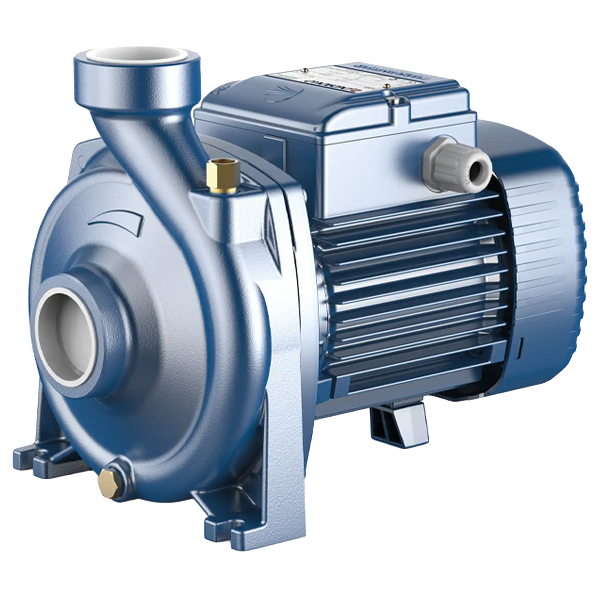 |
Pedrollo HF Range High-flow centrifugal pump for agricultural water supply, drawing from lakes, rivers, and wells. Look here where large volumes are needed at medium to low head. |
 |
Lowara E-SV Vertical multistage pump for pressure boosting across agricultural sites, washing systems, and pressure washer feeds. It is the standard choice for a farm booster set. |
Key benefits: Reliable supply to troughs, parlours & buildings • Options for boreholes or surface sources • Stainless steel construction • Steady pressure across multiple draw-off points • Single or three-phase supply
Perfect For Dairy Farms, Calf Rearing Units, Poultry Houses & Livestock Buildings
Livestock and dairy work brings its own requirements. Milk, colostrum, and liquid feed are shear sensitive. They need gentle handling to protect product quality. Anything in contact with them must also meet hygiene standards and be easy to clean. Alongside that sit the everyday jobs: circulating water, feeding calf carts, flushing pens, and drawing stock water from a shallow well.
These remain the most popular choice for milk and liquid feed. The rubber impeller moves product gently without damaging it. They self-prime, tolerate brief dry running, and reverse direction if needed. For milk or anything else destined for human consumption, however, choose the hygienic Pureflo range, the standard Bronze and Utility ranges are not food grade, so keep those for general farm duties.
 |
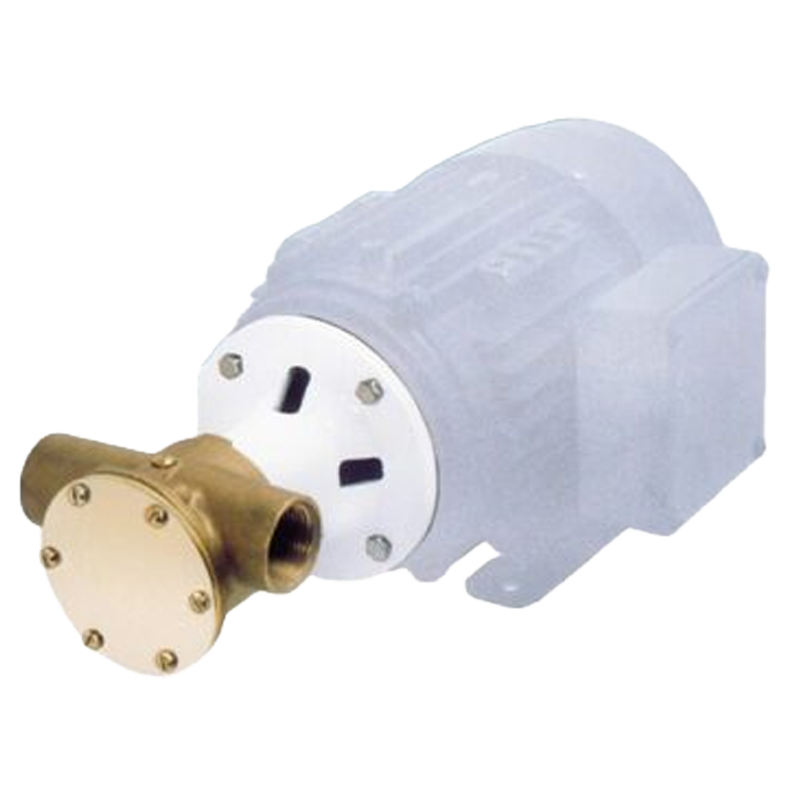
Jabsco Pureflo Series (P40–P500) The food-grade choice for milk, colostrum, and dairy transfer. These hygienic 316 stainless steel pedestal pumps use food-grade elastomers and are clean-in-place or easy strip-clean. |
 |
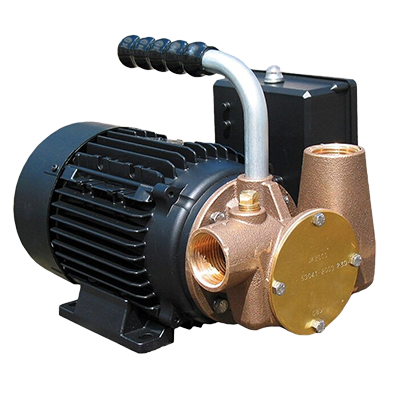
Jabsco Bronze Series A robust bronze-bodied workhorse for general livestock duties. Used across farming for stock water, drawing from shallow wells, emptying silo pits, and flushing animal pens. |
 |
Jabsco Utility A more compact alternative for general farm transfer. It covers stock and poultry house water as well as emptying and filling tanks and barrels. |
These cover the lighter-duty jobs around livestock buildings. Calf feeding carts, water circulation, and cooling are typical examples. Because this milk or feed goes to livestock rather than into the food chain, a food-grade build is not usually required here.
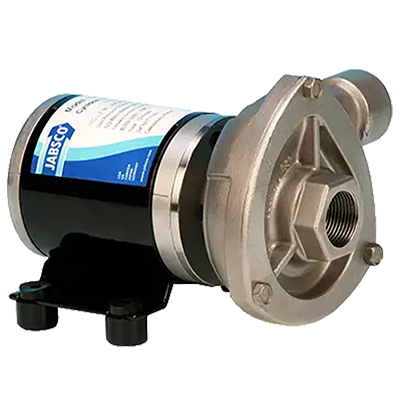 |
Jabsco Cyclone Flooded suction centrifugal pump used on calf feeding carts, closed-circuit circulation, and general transfer. It is compact enough to build into mobile feeding equipment. |
 |
Flojet DC Series Sealless magnetic drive pump for circulation, recirculation, and cooling. The DC supply makes it a neat solution for mobile and battery-powered equipment. |
Key benefits: Gentle handling of milk, colostrum & liquid feed • Self-priming and reversible • Food-grade Pureflo options for milk contact • Easy to strip down and clean • Suits mobile trolleys and feeding carts
Perfect For Dairy & Livestock Farms, Slurry Stores, Lagoons & Reception Pits
Slurry is one of the most demanding fluids on any farm. It is abrasive and varies enormously in consistency. Worse still, it usually contains straw, bedding, and grit that will stop a conventional pump dead. Silage effluent, dirty yard washings, and separator liquor add to the problem. Therefore you need equipment built specifically to pass or shred solids while standing up to constant wear.
These sit directly in the pit, lagoon, or reception tank. They are designed from the outset for solids-laden liquid. Cutter and wide channel options let you match the pump to how fibrous your slurry actually is.
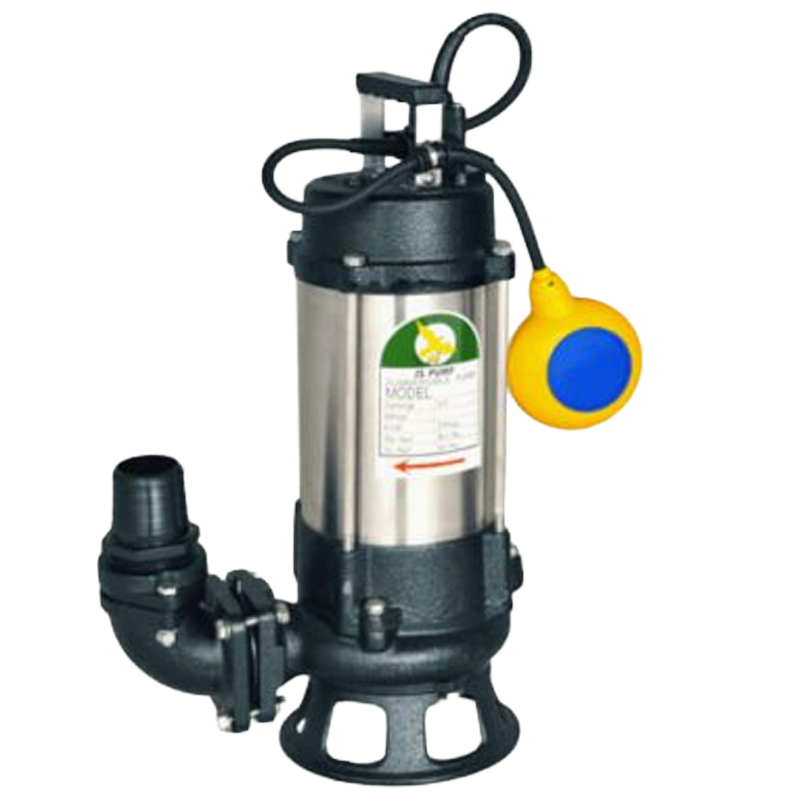 |
JS Pumps JS SK and JST SK Our lead recommendation for slurry. Heavy-duty submersibles built for agricultural sewage, animal waste management, and solid-laden wastewater. Cutter versions are available where slurry is particularly fibrous and must pass through smaller bore pipework. |
 |
Dreno Pompe DNA Wide channel submersible designed for farming and agricultural waste. The generous solids passage suits slurry with a high bedding content that would defeat a cutter design. |
These sit above the liquid rather than in it. Consequently, servicing is far easier and the pump stays out of the pit.
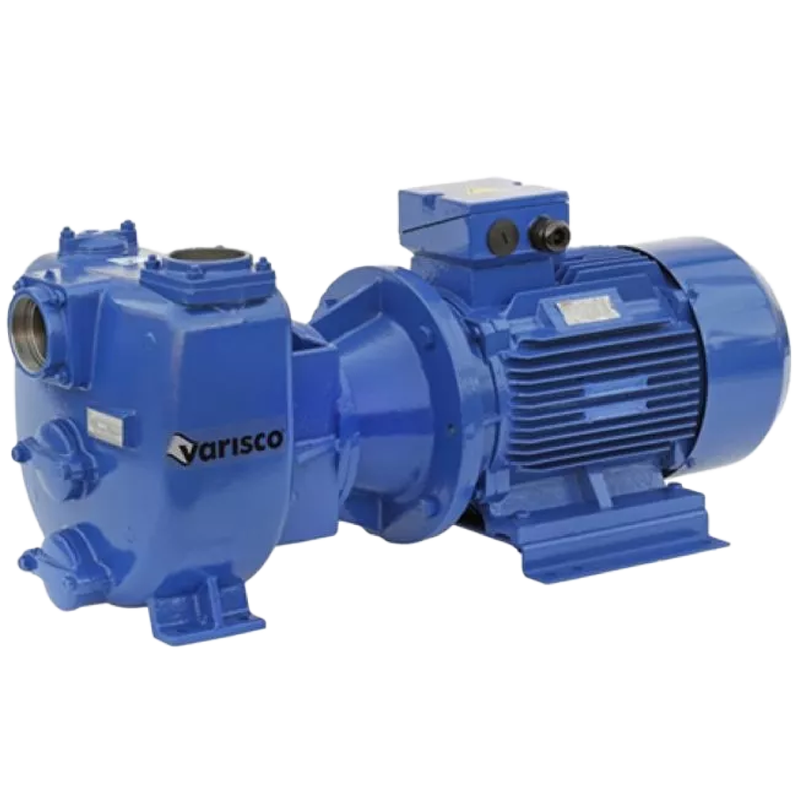 |
Varisco J Series The above-ground answer for slurry and liquid feed transfer. It also handles liquids carrying sand or solids in suspension. Electric, engine, and PTO-driven configurations suit tanker filling and field work. |
Key benefits: Handles fibrous slurry, bedding & grit • Cutter options for smaller bore pipework • Wide channel designs for high solids • Cast iron construction for abrasive duty • Electric, engine & PTO drive
Perfect For Arable Farms, Growers, Sprayer Operators & Horticultural Businesses
Chemical handling on farm ranges from liquid fertiliser and herbicide to teat dips and disinfectants. The common thread is compatibility. Body, diaphragms, seals, and O-rings all have to stand up to the product. Sprayer duties add a further demand, because a pump feeding a spray boom is regularly dead-headed against closed nozzles.
These are the standard choice for mobile spraying and chemical transfer. They self-prime, run dry safely, and suit the stop-start rhythm of spray work. Low-voltage DC versions, in addition, run straight from a tractor or sprayer battery.
 |
Flojet Versijet The one to start with for agricultural spraying. It also covers disinfection and sanitisation, fluid transfer, and pressure boosting. |
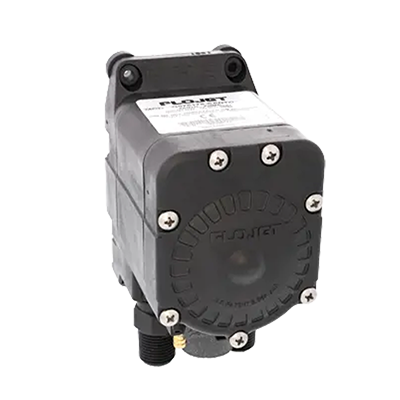 |
Flojet G57 Series Better suited to controlled dispensing than bulk movement. It is designed for chemical feed, transfer, and dispensing, including herbicide and water. |
These come into their own with aggressive chemicals, thicker products, and drum or IBC emptying. A wide choice of body and diaphragm materials suits almost any agricultural chemical. They will also run dry and dead-head without harm. Because they deliver flow in pulses, it is worth reading up on pulsation and whether a dampener is needed.
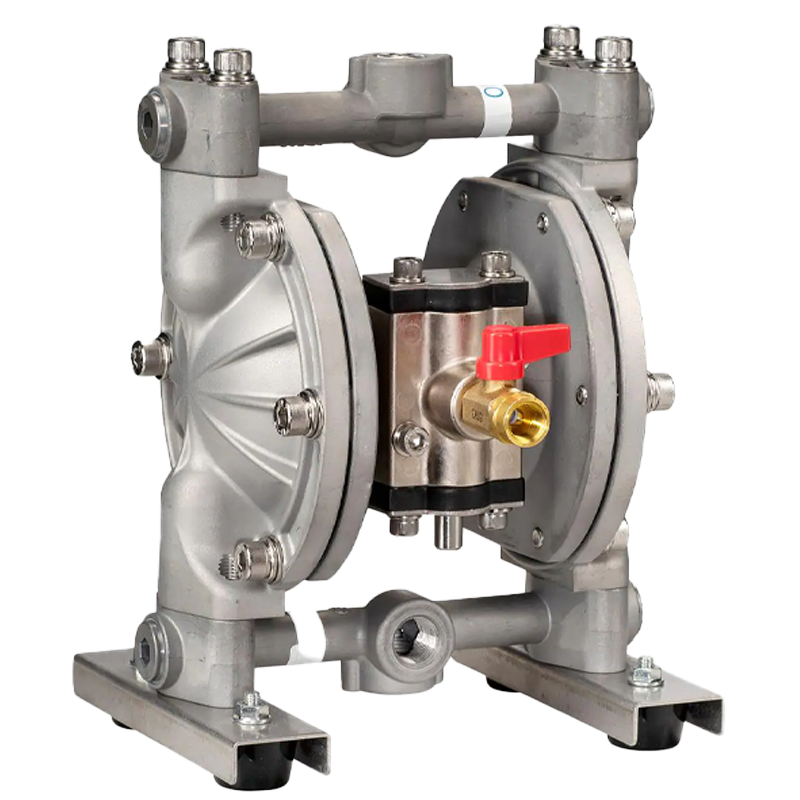 |
Yamada NDP Our go-to AODD range for agricultural water, fertiliser, and pesticide transfer. Extensive material options make it easy to match the pump to the product.Yamada DP Steps up to more aggressive chemistry, including acids, alkalis, and solvents. It is well suited to drum and IBC emptying of concentrated products. |
Key benefits: Broad compatibility with fertilisers & crop protection products • Safe dry running and dead-heading • Low-voltage DC options for sprayers • Drum and IBC mounting • ATEX configurations where required
Perfect For Farm Workshops, Machinery Fleets, Contractors & Estate Yards
Every farm running machinery needs a reliable way to move fuel and lubricants. Usually that means a bulk diesel tank feeding tractors, telehandlers, and harvesters. Oil and grease dispensing in the workshop sits alongside it. The right equipment reduces spillage and speeds up servicing. It also helps keep accurate records of what has gone where.
These are purpose-built for red diesel and bulk fuel dispensing. Pair them with a hose, nozzle, and meter — each sold separately — to build a complete delivery assembly.
 |
Pentair Delta and PGA Rugged diesel transfer pumps for farm fuel dispensing, farm machines, and small pumping stations. Both are commonly built into complete delivery assemblies and stand up well to daily yard use. |
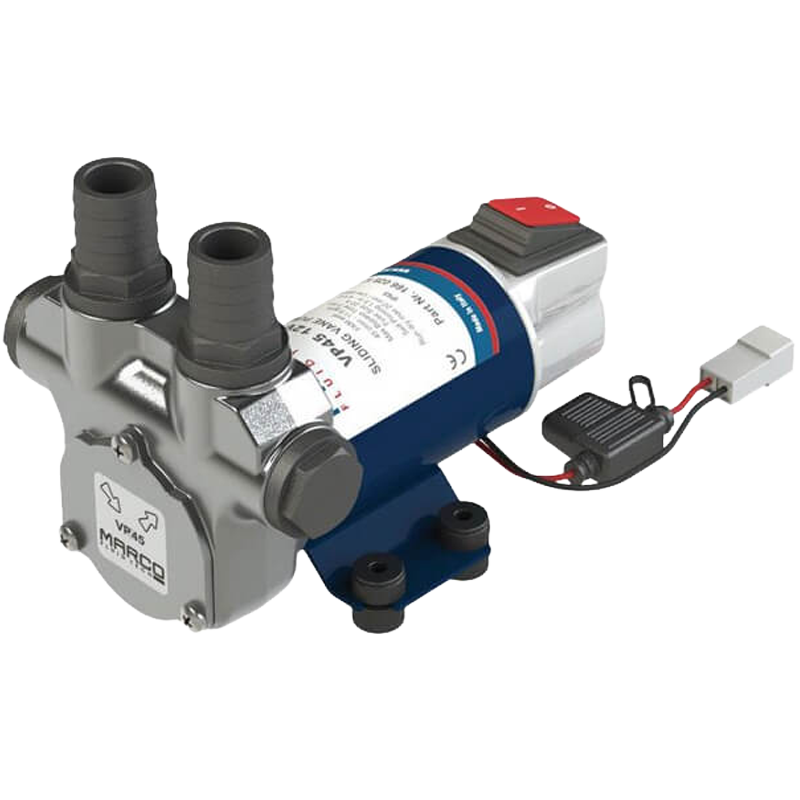 |
Marco VP45S Self-priming 12V and 24V electric transfer pump delivering up to 45 litres per minute. Ideal for refuelling tractors and machinery straight from a bulk tank or drum, and it also handles water, light oils, and antifreeze. |
These handle oil and grease at the pressures needed for workshop dispensing and automatic machine lubrication. In turn, they reduce wear and extend the working life of expensive equipment.
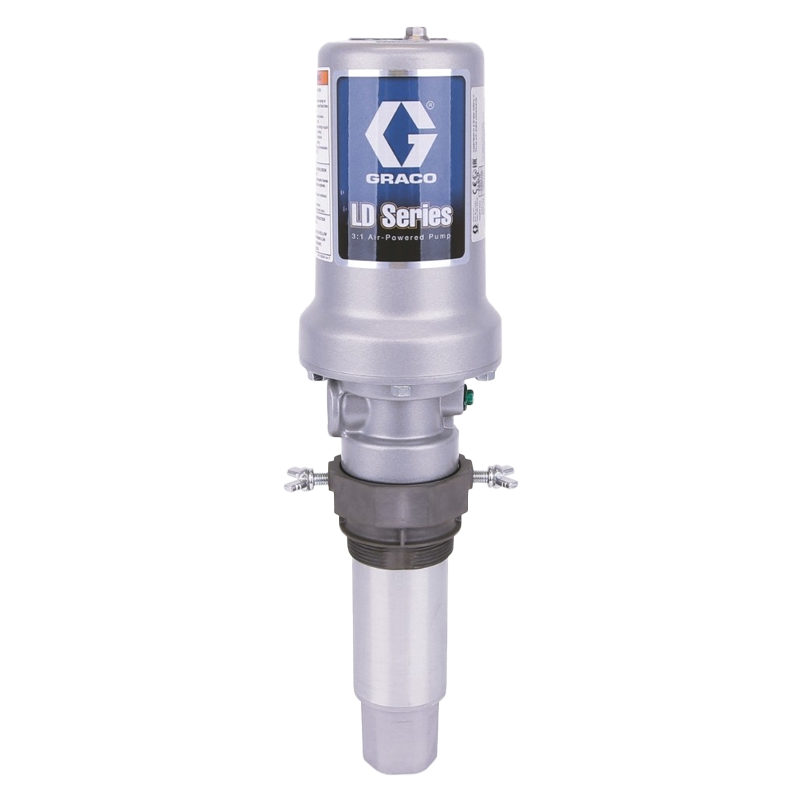 |
Graco LD Series Piston pump for farm and construction equipment servicing. It covers engine oil, transmission fluid, gear oil, and grease, and handles high-volume transfer from drums or totes. |
 |
Graco G3 Series Automatic lubrication pump for off-road agricultural equipment. It delivers measured grease or oil to bearings and pivots while the machine works. |
Key benefits: Fast, controlled refuelling from bulk tanks • Meter and nozzle assemblies • High-pressure oil & grease dispensing • Automatic lubrication cuts downtime • Drum, tote & IBC mounting
Perfect For Mixed Farms, Contractors, Estates & Anyone Dealing With Standing Water
That leaves everything else. Washing down the yard, clearing a flooded gateway, emptying a ditch, and pumping out a collection pit all fall here. So does getting water to a part of the farm with no power. These jobs are unpredictable and often urgent. They also tend to happen in the worst weather. Portability therefore matters more than outright efficiency.
These run on petrol or diesel and go wherever they are needed. They deliver high flow with no reliance on the grid. For outlying fields, flood response, and emergency supply, they are the obvious answer.
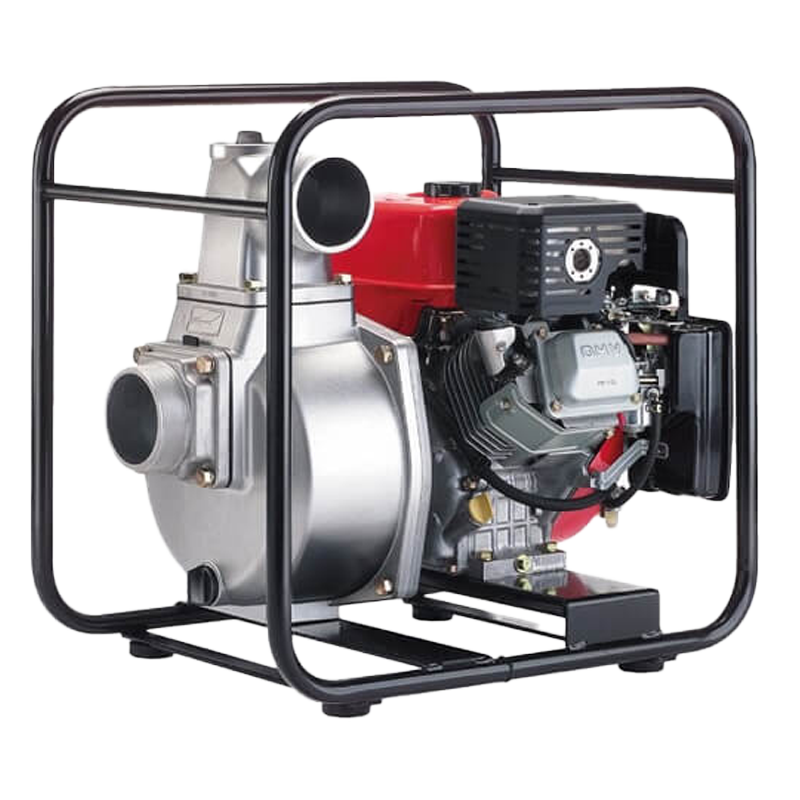 |
Koshin SEH The general-purpose choice. A petrol engine-driven pump for agricultural water transfer, portable enough to move around the farm as needed. |
 |
Koshin SERH Step up to this where pressure matters more than volume. Washdown over distance, sprinkler systems, and farm firefighting are typical duties. |
 |
Koshin KTH The trash option for water carrying mud, leaves, straw, and grit. It is built for tough debris conditions and general water removal. |
These suit fixed washdown points and buildings with mains power available. They work best where the liquid is moderately dirty rather than heavily solids laden.
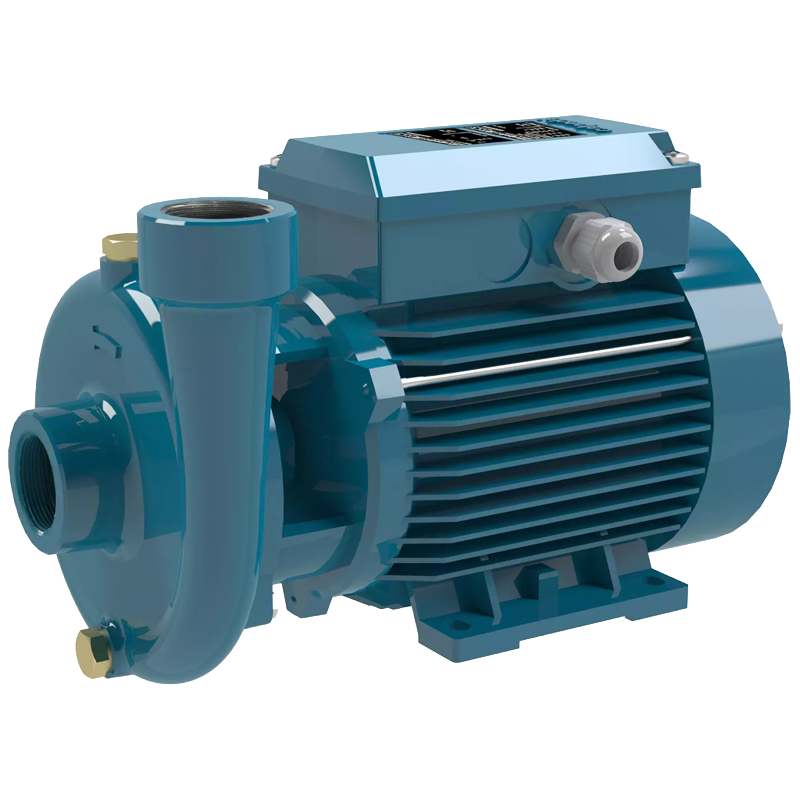 |
Calpeda C Series Centrifugal pump for moderately dirty liquids and emulsions in industry and agriculture. It makes a sensible fixed installation for yard washdown. |
Key benefits: Fully portable, no mains supply needed • Trash handling for debris-laden water • High-pressure options for washdown • Petrol and diesel choices • Quick to deploy in an emergency
Beyond pump selection, several additional components ensure safe, efficient operation:
We’re here to answer your questions and help you find the perfect agricultural pump for your needs.
Fill in the form below and one of our friendly advisors will contact you.